Array
(
[0] => Array
(
[name] => Kusumba Mosque
[post_id] => 3656
[post_link] => http://offroadbangladesh.com/bn/places/kusumba-mosque/
[thumb_link] => http://offroadbangladesh.com/wp-content/uploads/2015/02/84463426-300x199.jpg
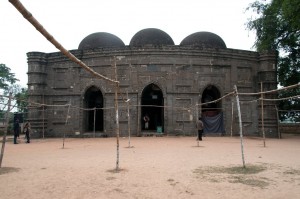
[post_content] => Kusumba Mosque is named after the village of Kusumba, under the Manda upazila of Naogaon district, on the west bank of the Atrai River. It is inside a walled enclosure with a monumental gateway that has standing spaces for guards. It was built during the period of Afghan rule in Bengal under one of the last Suri rulers Ghiyasuddin Bahadur Shah, by one Suleiman who was probably a high ranking official. The inscription tablet in Arabic (only the word ‘built by’ is in Persian) dating the building to 966 AH (1558-59 AD) is fixed over its eastern central entrance.
Although built during Suri rule, it is not influenced at all by the earlier Suri architecture of North India, and is well grounded in the Bengal style. The brick building, gently curved cornice, and the engaged octagonal corner towers are typical features. The mosque, presently protected by the Department of Archaeology of Bangladesh, was badly damaged during the earthquake of 1897. Although the main fabric of the building is of brick the entire exterior walls, and the interior up to the arches of the pendentives have stone facing. The columns, platform, floor, and perforated side screens are of stone. The mosque has a rectangular plan with three bays and two aisles, three entrances on the east and two each on the north and south sides.
The central mihrab is projected in the west. The interior west (qibla) wall has two mihrabs on the floor level opposite the central and southeastern entrances, but the one in the northwestern bay is above a raised platform ascended by a staircase on the east. The presence of such a platform in a non-imperial mosque indicates that not only royalty, but nobility and high-ranking officials were also separated from the general public during prayers. The mihrabs have elaborate stone carving. They have cusped arches crowned with kalasa (water pot) motifs, supported on intricately carved stone pillars which have projections and tasseled decorations hanging from chains. Bunches of grapes and vines curve in an almost serpentine manner on the mihrab frames, and kalasas, tendrils and rosettes are reduced to dots.
The platform edge has grape vine decoration, and there are rosettes on the spandrels of the arches supporting the platform, as well as on the mihrab wall. The stone used in the exterior facing is of a coarse quality and carved in shallow relief. Mouldings are most prominent decorative feature on the outside. They divide the walls into upper and lower sections, run all along the curved cornice, around the corner towers, in a straight line below the cornice, and frame the rectangular panels in the east, south and north walls. The spandrels of the central entrance arch are filled with small kalasa and rosette motifs. The north and south sides have screened windows.
)
[1] => Array
(
[name] => Bhetarbandh Zamindar Bari
[post_id] => 6317
[post_link] => http://offroadbangladesh.com/bn/places/bhetarbandh-zamindar-bari/
[thumb_link] => http://offroadbangladesh.com/wp-content/uploads/2015/04/Bhetarbandh-Zamindar-Bari-by-Shipon-Borua1-300x184.jpg
[post_content] =>
Bhetarbandh Zamindar Bari or landlord house is located at Bhetarbandh village in Bhetarbandh union about 16 km far from Nageshwari sub district of Kurigram district. At the primary period of British ruling time, the headquarter of bhatarbandh pargana was at Rajshahi. After banned Permanent settlement law the bhatarbandh pargana headquarter transferred to Nageshwari sub district of Kurigram district. Wood made half part of the Landlord house is now lost. Now another half part of the house use as a union council office.
[This spot needs more detail. If you have more information and photos, please be advised to add in our website. Your name will be published as a Content Contributor]
)
[2] => Array
(
[name] => {:en}Uttara Gonobhaban{:}{:bn}উত্তরা গনভবন{:}
[post_id] => 3731
[post_link] => http://offroadbangladesh.com/bn/places/uttara-gonobhaban/
[thumb_link] => http://offroadbangladesh.com/wp-content/uploads/2015/02/IMG_20150716_145711-300x225.jpg
[post_content] => {:en}
Uttara Gonobhaban, often called Dighapatia Raj (sometimes called Dighapatia Raj Paribar literally Dighapatia Royal Family) was a zamindari in present day Rajshahi, which was ruled by this dynasty of 7 generations of Rajas from late 17th century till the mid-20th century; when the democratic government took power after the end of the British Monarchy’s rule in India, in 1950, the East Pakistan government abolished aristocracies and the zamindari system in present day Bangladesh. The family was seated at the Dighapatia Palace.
The family contributed largely to the development in education, infrastructure and culture of Rajshahi and North Bengal. They were especially famous for their generosity and public spirit. The Rajas built the Varendra Research Museum among other institutions of culture and education. The Rajas of Dighapatia were seated at the Dighapatia Palace. They received royal titles and titles of honor from the Mughal Empire such as Raja, Maharaja and Raja Bahadur and other titles from the British Crown, such as the Indian Orders of Knighthood.
It is also known as Maharajas palace. Raja of Dighpatia built it but it is used as residence for head of states in North Bengal. During regime of British Raj, East Pakistan many meetings took place. There is a marble front of late Raja Pramathanath Roy of Dighapatia.
The first Raja was Dayaram Roy who, at a very young age, received the help from Raja Ramjivan Roy, the first Raja of the Natore Raj family, and eventually became his dewan. Raja Dayaram led the army of Raja Ramjivan in aid of the Nawab of Bengal in 1716 and overthrew the rebellious Raja Sitaram Ray, who was a zamindar(and later king, or Raja) of neighboring Bhusna state. The sack of Muhammadpur, Raja Sitaram's capital, later enabled him to ultimately lay the foundation of the Dighapatia dynasty. For his loyalty, he received large tracts of land in Rajshahi and Jessore as grants and later acquired zamindari in Bogra and Mymensingh.
Nawab Murshid Quli Khan, who was the nawab of Bengal under Emperor Aurangzeb conferred on him the title of 'Rai-Raiyan' in recognition of his services. When the Earl Cornwallis introduced the Permanent Settlement Act, a large number of the old feudal lords and zamindars created during the time of the Nawab Murshid Quli Khan could not meet land revenue standards and thus became defaulters. Their estates were sold up to a new class of wealthy lords. The Dighapatia Raj was one of the few remnants of the old decaying 'jagirdars'. They were avidly following European dress, wine, horse race and various such other external glamour of life. The princely western influence is reflected not only in their palace architecture but also in their furniture and other interior decorations. However, during certain ceremonial occasions they donned extravagant robes, jeweled turbans and carried priceless inlaid swords in dainty scabbard tucked at their waists, following the bygone fashions of the Mughal nobility even when the Mughal dynasty and their imperial rule had faded. Pran Nath Roy and Pramada Nath Roy were some of the important zamindars of Dighapatia.
{:}{:bn}
১৭শ শতাব্দীর শেষ দিক থেকে ১৯শ শতকের মাঝামাঝি পর্যন্ত বর্তমান রাজশাহী শাসন করেছিল দিঘাপাতিয়া রাজ পরিবারের ৭ টি প্রজন্ম। এই রাজ পরিবারটি বসবাস করত উত্তরা গনভবনে যা দিঘাপাতিয়া রাজবাড়ি নামেও পরিচিত ছিল। এই বংশের প্রথম রাজা ছিলেন দয়ারাম রায় যিনি অল্প বয়সেই নাটোরের রাজ পরিবারের প্রথম রাজা রামজীবন রায়ের দেওয়ান নিযুক্ত হন। ১৭১৬ সালে বাংলার নবাবদের সহায়তা করতে রাজা দয়ারাম নেতৃত্ব দেন রাজা রাম জীবনের বাহিনীকে এবং পার্শ্ববর্তী ভূষনা রাজ্যের বিদ্রোহী রাজা শিতারাম রায়কে (যিনি জমিদার ছিলেন এবং পরবর্তীতে রাজা হন) উৎখাত করেন। রাজা শিতারাম রায়ের রাজধানী মুহাম্মাদপুরের পতনের ফলে রাজা দয়ারাম দিঘাপাতিয়া রাজবংশের গোড়াপত্তন করতে সমর্থ হন। বিশ্বস্ততা অর্জনের পরিপ্রেক্ষিতে তিনি রাজশাহী ও যশোরে দান হিসেবে অনেক জমি গ্রহন করেন এবং পরবর্তীতে বগুড়া ও ময়মনসিংহে জমিদার বাড়ি অধিগ্রহন করেন।
রাজা দয়ারামের কাজের স্বীকৃতি স্বরূপ সম্রাট আওরঙ্গজেবের অধীনে তৎকালীন বাংলার নবাব মুর্শিদ কুলি খান তাঁকে সম্মানসূচক ‘রায় রায়হান’ উপাধিতে ভূষিত করেন। লর্ড কর্নওয়ালিস যখন চিরস্থায়ী বন্দোবস্ত প্রথা চালু করেন, নবাব মুর্শিদ কুলি খানের সময়কার অনেক জমিদাররা জমির খাজনা দিতে ব্যর্থ হন এবং খেলাপি হয়ে যান এবং তাঁদের এলাকা বিক্রি করে দেওয়া হয় ধনী ব্যাক্তিদের কাছে। দিঘাপাতিয়ার রাজা ছিলেন বিলুপ্তপ্রায় জগিরদারদের একজন। তাঁরা পশ্চিমা জীবনযাত্রা অনুসরণ করতেন যেমন ইউরোপিয়ান পোশাক, মদ, ঘোড়দৌড় ইত্যাদি। পশিমা প্রভাব শুধু যে তাঁদের ভবনের স্থাপত্তেই প্রতিফলিত হয়েছে তাই নয় বরং তা দেখা যেতো তাঁদের আসবাব এবং অন্দরমহলের সাজে। অবশ্য, মুঘল সাম্রাজ্যকালের শেষ প্রান্তেও কোন কোন অনুষ্ঠানে তাঁরা মুঘলদের অনুকরন করত যা তাদের পোশাক, পাগড়ি, তলোয়ার ও তলোয়ার রাখার খাপ থেকে প্রতিফলিত হত। দিঘাপাতিয়ার জমিদারদের মধ্যে উল্লেখযোগ্য ছিলেন প্রান নাথ রায় এবং প্রমোদ নাথ রায়।
রাজশাহী এবং উত্তরবঙ্গের শিক্ষা, স্থাপনা এবং সংস্কৃতির উন্নয়নে এই রাজ পরিবারের অবদান অনেক যেমন এই পরিবারের রাজারা নির্মাণ করেন বরেন্দ্র গবেষণা জাদুঘর। জনপ্রিয়তা এবং উদারতার জন্য তারা বিশেষভাবে বিখ্যাত ছিল। এই পরিবারের শাসকরা বিভিন্ন সম্মানসূচক খেতাব ও উপাধি লাভ করে যেমন মুঘলদের কাছ থেকে রাজা, মহারাজা, রাজ বাহাদুর উপাধি এবং ইংরজেদের কাছ থেকে নাইটহুড খেতাব।
মহারাজার রাজবাড়ি নামে পরিচিত এই ভবনটি দিঘাপতিয়ার রাজা নির্মাণ করলেও উত্তর বঙ্গের রাজ্য প্রধানদের বাসা হিসেবে এটি ব্যাবহার হয়েছে। ইংরেজ এবং পূর্ব পাকিস্তান আমলে অনেক সরকারি বৈঠক এখানে অনুষ্ঠিত হয়। এখানে দিঘাপতিয়ার রাজা প্রমথনাথ রায়ের মার্বেলের তৈরি ভাস্কর্য আছে।
{:}
)
[3] => Array
(
[name] => Pakutia Zamindar Bari
[post_id] => 8891
[post_link] => http://offroadbangladesh.com/bn/places/pakutia-zamindar-bari/
[thumb_link] => http://offroadbangladesh.com/wp-content/uploads/2015/05/Pakutia-Jomidar-Bari-011-300x225.jpg
[post_content] =>
Pakutia Zamindar Bari resides under the administration of Nagarpur of Tangail district. This Zamindar Bari complex comprises of three main buildings. Out of these three, one is much larger compared to other two’s. The larger one is using as a Degree college these days and also the college authority holds the ownership of other two edifices as well. But they have rented Pakutia Zamindar Bari to other organization.
Initially the Zamindari was established by the hand of Ramkrishna Shaha Mondol at the early of 19th century. He has two sons named Radha Gobinda and Brindaban Chandra. Radha Gobinda didn't have any children but Brindaban Chandra had three. They are Brojendro Mohon, Upendra Mohon and Jogendra Mohon. Childless Radha Gobinda adopted the second son of his brother and later gave his whole property to him.
These three brothers later built three separate buildings for them in 1915 (almost 100 years from now). Each of the buildings are having extreme artwork & design, stylish columns, and small statues. Each inches of the building is having a delicate design that impresses everyone even these days. Top of the building is having a lovely sculpture type architecture that is rich in design, concept, and artwork (more if I consider the building period) in this modern days. Apart from these, there are several large ponds located at the backyard of the building.
This Zamindar family was friendly towards the villagers. They have established a school during 1916 named as Brindaban Chandra Radha Gobinda School (in short B.C.R.G. School) for their father and uncle. They have left this country during the 1947 separation. Later in 1967, the government established B.C.R.G Degree College on these buildings to commemorate the friendly Zamindar family.
Apart from the Zamindar Bari, the premise now has a temple which probably used by the families who lived here. Also there is an open theater available that was used to arrange the local play or drama known as Jatra/Pala (যাত্রা/পালা).
)
)