Array
(
[0] => Array
(
[name] => Mohamaya Project
[post_id] => 936
[post_link] => http://offroadbangladesh.com/places/mohamaya-project/
[thumb_link] => http://offroadbangladesh.com/wp-content/uploads/2015/02/Mohamaya-lake-Mirsorai-by-Bd-Explorer-300x191.jpg
[post_content] =>
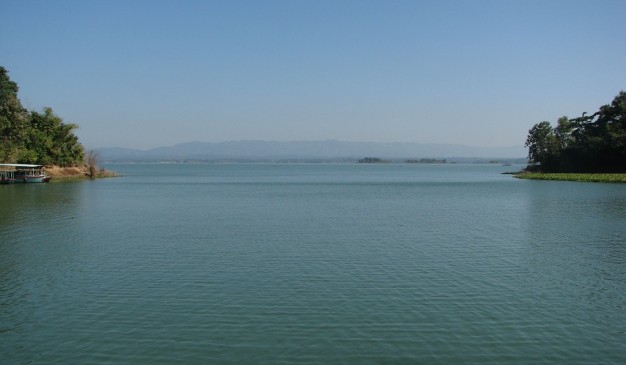
Mohamaya Irrigation project is the second-largest man made lake constructed in Bangladesh after Kaptai lake, at a cost of BDT 23 crore in Mirsharai Upazila of Chittagong district. Government is also planning to install a 50 kW mini hydroelectric power plant here.
)
[1] => Array
(
[name] => {:en}Bebud Rajar Dighi{:}{:bn}বেবুদ রাজার দিঘী{:}
[post_id] => 5049
[post_link] => http://offroadbangladesh.com/places/bebud-rajar-dighi/
[thumb_link] => http://offroadbangladesh.com/wp-content/uploads/2015/03/Bebud-Rajar-Dighi-LonelyTraveler1-300x225.jpg
[post_content] => {:en}
Bebud Rajar Dighi (বেবুদ রাজার দিঘী) is a large pond that is located at the Egarosindur Union (এগারোসিন্দুর ইউনিয়্ন) of Pakundia Upazila. Locally this is known as Bebud Rajar Pukur (বেবুদ রাজার পুকুর), more colloquially Bebuiddar Pukur (বেবুইদ্দার পুকুর). It was built by a tribal king named Bebud (বেবুদ). He belongs to the tribe named Koach (কোচ), many people opposed it as tribe Hajong (হাজং).
Myth on Bebud Rajar Pukur:
According to history described by the locals, Bebud (বেবুদ) was a tribal king of Koch tribe (কোচ উপজাতি) from the 16th century. There are several myths/stories are available regarding this king and his pond. During a drought, he dug this large pond to ease the water crisis of his peasants. But unfortunately the pond didn't filled with water. King Bebud (বেবুদ) saw a dream at night and heard a voice that ordered to sacrifice his wife's life at the pond to get water on it. He shared this dream with his wife Shompa Rani (শম্পা রানী) and his wife agreed to comply with the order of the dream, but she had a toddler and asked the king about his future. She was worried about his baby's life.
Next day, during the dream, King Bebud (বেবুদ) saw the dream again and this time he asked about his toddler son. Cause the son was totally dependent on his wife. The voice on the dream assured that the King will be given a magical ring, if he bring this ring on the bank of the pond, his wife will be given back to him only to feed their toddler son. Assuring the safety of their son, the queen went at the middle of the pond at next day and the water started to rise slowly and she was sunken inside the water when a whorl was created around her. Whenever the kid cried from the hunger, the king brought him to the pond and touched the bank with his ring. It conjured the queen back as a form of human and she gave her breast to the baby.
{:}{:bn}
বেবুদ রাজার দীঘিটি স্থানীয়ভাবে বেবুদ রাজার পুকুর এবং বেবুইদ্দার পুকুর নামে পরিচিত। আদিবাসী কোচ সম্প্রদায়ের রাজা বেবুদ এই পুকুরটি খনন করিয়েছিলেন। তবে স্থানীয়রা এও মনে করেন যে বেবুদ রাজা ছিলেন হাজং সম্প্রদায়ের রাজা।
বেবুদ রাজার পুকুরকে ঘিরে প্রচলিত কল্পকাহিনী:
স্থানীয়দের ভাষ্যমতে ১৬শ শতকে উপজাতি কোচ সম্প্রদায়ের রাজা ছিলেন বেবুদ। রাজা বেবুদ এবং তাঁর পুকুরকে ঘিরে কয়েকধরনের কল্পকাহিনী প্রচলিত আছে। কথায় আছে একবার খরার সময় পানির সংকট দূর করার জন্য রাজা বেবুদ এই বিশাল পুকুরটি খনন করলেও পুকুরটি পানিতে পূর্ণ হয়নি। এরপর রাজা বেবুদ স্বপ্নযোগে পুকুরে পানি আনার জন্য তাঁর স্ত্রীকে এই পুকুরে বলী দেওয়ার নির্দেশ পান। রাজা বেবুদ তাঁর স্ত্রী শম্পারানীকে স্বপ্নের কথা জানালে শম্পারানী রাজাকে স্বপ্নে প্রাপ্ত নির্দেশ অনুযায়ী কাজ করতে বলেন তবে তিনি রাজার কাছে তাদের শিশু সন্তানের ভবিষ্যতের ব্যাপারে আশংকা প্রকাশ করেন কারন শিশু সন্তানটি পুরোপুরি শম্পারানীর উপর নির্ভরশীল ছিল।
পরদিন ঘুমের মধ্যে রাজা বেবুদ আবারো স্বপ্নটি দেখেন তবে এবার তিনি তাঁর শিশু সন্তানের বিষয়ে জিজ্ঞেস করেন। স্বপ্নযোগে রাজা জানতে পারেন যে তাঁকে একটি জাদুর আংটি দেওয়া হবে এবং তিনি যদি এই আংটি নিয়ে পুকুর পাড়ে আসেন তবে শম্পারানী ফেরত আসবেন শুধুমাত্র তাদের শিশু সন্তানটিকে খাওয়ানোর জন্য। সন্তানের ভবিষ্যৎ সম্পর্কে আশ্বস্ত হয়ে পরদিন রানী পুকুরের মাঝখানে চলে যান। এতে করে পুকুরের পানি আস্তে আস্তে বাড়তে থাকে এবং এক পর্যায়ে স্রোতের তীব্র ঘূর্ণিতে পড়ে শম্পারানী পুকুরে তলিয়ে যান।
এরপর যখনই শিশু সন্তানটি ক্ষুধায় কান্নাকাটি করত, রাজা বাচ্চাটিকে পুকুর পাড়ে এনে আংটি দিয়ে পুকুরের পাড়ে ঘষা দিতেন এবং এতে করে রানী মানব আকৃতিতে ফিরে এসে তাঁর সন্তানকে খাওয়াতেন
{:}
)
[2] => Array
(
[name] => Chalan Beel
[post_id] => 3052
[post_link] => http://offroadbangladesh.com/places/chalan-beel/
[thumb_link] => http://offroadbangladesh.com/wp-content/uploads/2015/02/800px-Chalan_Beel_Natore_Bangladesh_52-300x225.jpg
[post_content] =>
Chalan Beel (Bengali: চলনবিল) is a wetland in Bangladesh. It is a large inland depression, marshy in character, with rich flora and fauna. Forty-seven rivers and other waterways flow into the Chalan Beel. As silt builds up in the beel, its size is being reduced.
Chalan Beel is an extensive lowland area in the lower Atrai basin, and spreads across Singra and Gurudaspur upazilas on Natore District, Chatmohar, Bhangura and Faridpur upazilas of Pabna District, and Ullahpara, Raiganj and Tarash upazilas of Sirajganj District. It consists of a series of beels connected to one another by various channels to form a continuous water body during the rainy season. Although the beel area expands into a vast water body with dense aquatic vegetation as long as the Jamuna remains flooded during the monsoon months, it dries out in the winter months, leaving only patches of water in the central parts of this zone.
Chalan Beel is fast silting up. In the past it covered an area of about 1,085 km² but was reduced to 368 km² in 1909, of which only 85 km² remained underwater throughout the year. It has since shrunk to only 26 km².
The most important factor dominating the river history in Bengal is the large proportion of silt carried by its rivers. It is the silt which has created the land and made it habitable by building it up through the centuries. It is silt which is fertilising the land, but the silt, which has been the most beneficial gift of nature, has also produced most of the river problems now confronting the people of Bengal. Silt deposited in the old river channel beds has forced them to change course, creating problems for abandoned areas while assisting in developing new areas.
The main volume of water from the Ganges River began flowing through the Padma channel in the sixteenth century. Silt from the Padma helped in building up the southern portion of north Bengal. This is the most plausible explanation for the existence of a depression around Chalan Beel. The Teesta was active in the region until it changed its course in 1787. This territory lies in between the land raised in the north by the Teesta system when it was active and that in the south by the Padma.
However, there is another explanation for the creation of the depression. The Padma has been changing its course over the centuries. In Ven den Brouck's map of Bengal, prepared in 1660, the main channel of the Padma is shown as flowing through Faridpur-Bakharganj, but there also is a suggestion of another, possibly earlier channel. This channel runs through Rampur Boalia in Rajshahi, Chalan Beel, Dhaleswari and Buriganga before meeting the Meghna. At that time the Jamunawas virtually non-existent and the Brahmaputra used to flow through its old channel.
)
[3] => Array
(
[name] => {:en}Bharaura Lake{:}{:bn}ভারাউড়া লেক{:}
[post_id] => 6388
[post_link] => http://offroadbangladesh.com/places/bharaura-lake/
[thumb_link] => http://offroadbangladesh.com/wp-content/uploads/2015/02/offroadbangladeshlogo2-300x178.png
[post_content] => {:en}
Bharaura Lake in Bharaura tea garden near Sreemangal is possessed by the James Finlay Co. A traveler can have a spectacular view of Lotus floating all over the lake which is the core attention of the lake. You might find some monkeys as your companions around. Left to the rail cross of the garden about 1.5 km ahead. You can observe the red hill enclosed by jackfruit trees. If you get close to the trees you might be frightened by the sound of monkeys, live in shades of trees.
Be advised, you should not try to be over smart and try to return before sunset, as there is much more concerning the security. The western area of Sreemangal consists a place filled with Haors and beels which is known as Hail Haor. There is a water front which becomes the territory of winter birds.
{:}{:bn}
ভারাউড়া লেক মৌলভীবাজার জেলার শ্রীমঙ্গল উপজেলায় অবস্থিত। ভারাউড়া চা বাগানে অবস্থিত ভারাউড়া লেকটির মালিকানার অধিকারী জেমস ফিনলে কোম্পানি। এই লেকের মূল আকর্ষণ হল লেকের সর্বত্র ফুটে থাকা পদ্মফুল যা বহুগুনে লেকের সৌন্দর্য বাড়িয়ে দিয়েছে। এছাড়া এখানে আসলে পাহাড়ের গায়ে বেড়ে ওঠা কাঁঠাল গাছ দেখতে পাবেন। এসব গাছের কাছে গেলে কিছু বানরেরও দেখা পেতে পারেন আপনি। আপনাকে অবশ্যই সন্ধ্যার পূর্বেই ফিরে আসার চেষ্টা করতে হবে। হাওড় ও বিলে পরিপূর্ণ শ্রীমঙ্গলের পশ্চিমভাগকে বলা হয় হাইল হাওড়। শীতকালে এখানে অতিথি পাখির সমাগম হয়।
{:}
)
)