Array
(
[0] => Array
(
[name] => Sat Masjid
[post_id] => 7883
[post_link] => http://offroadbangladesh.com/places/satmosjid-mohammadpur/
[thumb_link] => http://offroadbangladesh.com/wp-content/uploads/2015/04/Sat-Masjid2-300x225.jpg
[post_content] =>
Sat Masjid is located in the Mohammadpur area of Dhaka city, the building exhibits seven domes- three over the prayer chamber and four over the corner towers. Hence it is known as Sat Gombuz (seven domed) Mosque. The mosque occupies the western end of a slightly raised masonry plinth 26.82m by 25.60m, which is enclosed by a low wall with a gateway in the middle of the eastern side. This arched gateway with flanking ornamental turrets is exactly in alignment with the central doorway of the mosque proper. The top of the gateway could be approached from either the north or the south by an ascending flight of steps.
The mosque proper forms a large rectangle 14.33m by 4.88m on the inside and is emphasised with massive hollow domed towers of octagonal design on the exterior angles. The prayer chamber is entered through arched doorways - three in the east and one each on the north and south sides.
Corresponding to the three eastern archways there are three semi-octagonal mihrabs inside the western wall. Beside the central mihrab there is a three-stepped masonry pulpit. The central archway and the central mihrab, including two other archways on the north and south walls, have outwardly projected frontons depicting ornamental turrets on either flank.
The interior of the mosque is divided by two wide arches into three conventional divisions - a large central square bay and a smaller rectangular bay on either side. The roof is covered with three slightly bulbous domes on octagonal drums, the central one being bigger than its flanking counterparts. The large central dome is supported by the wide arches together with the two blocked arches over the central mihrab and central archway and the triangular pendentives on the upper angles. But in covering the side rectangles with domes a clever method has been adopted. In order to make a circular base for the dome, the rectangular space has first been made square above by creating half-domed vaults on the east and west walls. These half-domed vaults together with a further series of pendentives on the corners directly support the small domes.
The corner towers have flanking turrets like those in Khwaja Shahbaz’s Mosque and musa khan mosque, both in Dhaka city. Each of these consists of two storeys and is a monument by itself. The lower storey is pierced with four cardinally set arched openings in the north-south and east-west axis. Internally the roof of the lower storey is domical, but its reverse side is flat and forms the floor of the upper storey.
)
[1] => Array
(
[name] => {:en}Parulia Mosque{:}{:bn}পারুলিয়া মসজিদ{:}
[post_id] => 4137
[post_link] => http://offroadbangladesh.com/places/parulia-mosque/
[thumb_link] => http://offroadbangladesh.com/wp-content/uploads/2015/03/DSCN1052-300x225.jpg
[post_content] => {:en}
Parulia Mosque,According to a Persy inscription attached in the main gateway of the mosque; Bibi Jainab, a daughter of Nasir shah and wife of Diwan Sharif, built this mosque in 1126 AH/ 1714 AD. Internally,it is 18.29m in long, 5.18m wide and the wall of the mosque is 1.52m thick. Two lateral arches divided the interior of the mosque into three square sections. Three domes cover the roof of these three sections. The domes are crowned with lotus and kalasa finials. There are banded octagonal corner towers at four corners of the mosque. It was an exception that all the corner towers reached up to the cornice. In the Mughal style corner towers generally reach above the cornice.
There are five archways in the mosque, three at the eastern wall and one each at northern and southern walls. The central archway is bigger than the other four which are all in same size and shape. The upper portion of the outer side of the main gateway is under a half-domed roof and is recessed in a rectangular structure. Three mihrabs are at the western wall corresponding to the three archways of the eastern wall. All the mihrabs and the archways are stuck in rectangular structure, which are ornamented with merlons. There are arched niches on both sides of the mihrabs and archways. Archways and mihrabs are marked by their outward projection. Rectangular and square panels decoration are in both sides of the outer face of the archways.
The mosque was partially damaged by earthquakes in 1897 and was renovated later on. There is a square shaped open courtyard in front of the mosque, which is surrounded by a wall not very high. A beautiful gateway is in the eastern side of this wall.
There are two ponds at the northern and southern side of the Mosque which has increased the beauty of Mosque. And it makes the environment of Mosque Premises cool.
There is a one domed square tomb of Diwan Sharif and Bibi Jainab on the western side of the mosque. Every year at some particular month many people of cultural diversity have come here to celebrate a fair (Local term oros). They open so many itinerant shop of snacks and different kinds of toys. People come to pray and wish to have something (Spiritual) which is related with the well being of their life.
{:}{:bn}
নরসিংদী জেলার পলাশ উপজেলার পারুলিয়ায় এই মসজিদটি অবস্থিত। মসজিদের মূল ফটকে রক্ষিত একটি পারস্য শিলালিপি থেকে জানা যায় ১১২৬ হিজরী/১৭১৪ সালে জনৈক নাসির নামক ব্যাক্তির কন্যা এবং দিওয়ান শরীফ নামক ব্যাক্তির স্ত্রী বিবি জয়নাব এই মসজিদটি নির্মাণ করেন। মসজিদটির অভ্যন্তরের দৈর্ঘ্য ১৮.২৯ মিটার, প্রস্থ ৫.১৮ মিটার এবং মসজিদের দেয়ালের ঘনত্ব ১.৫২ মিটার। দুটি ধনুকআকৃতির সমান্তরাল পথের মাধ্যমে মসজিদের অভ্যন্তরকে তিনটি বর্গাকারভাগে ভাগ করা হয়েছে। প্রতিটি ভাগের উপরেই একটি করে গম্বুজ রয়েছে। প্রতিটি গম্বুজে নকশা ও অলংকার খোদাই করা আছে। ব্যাতিক্রম হিসেবে মসজিদের চারকোণায় অষ্টভুজ টাওয়ার রয়েছে যেগুলোর প্রতিটির উচ্চতা কার্নিশ পর্যন্ত। মুঘল স্থাপত্যশৈলীতে কোনার টাওয়ারগুলোর উচ্চতা সাধারণত কার্নিশকে ছাড়িয়ে যায়। মসজিদটির মোট পাঁচটি ধনুকআকৃতির ফটকের মধ্যে পূর্বদিকের দেয়ালে তিনটি, উত্তর ও দক্ষিন দিকের দেয়ালে একটি ফটক রয়েছে। মসজিদের মাঝখানের ফটকটি অন্যান্য ফটকের চেয়ে বড়। মসজিদের মূল ফটকের বাইরের দিকটি উপরিভাগ অর্ধগম্বুজ আকৃতির ছাদের নীচে অবস্থিত যেটি একটি আয়াতক্ষেত্রাকার কাঠামোর উপর নির্মাণ করা হয়েছে। অন্যান্য ফটকগুলো সামান্য নিচু আয়াতক্ষেত্রাকার কাঠামোর উপর নির্মাণ করা হয়েছে। মসজিদের পশ্চিমদিকের দেয়ালে পূর্বদিকের ফটকগুলো বরাবর তিনটি মিহরাব অবস্থিত। সবকটি মিহরাব এবং ধনুকআকৃতির ফটকগুলো অলংকারখচিত আয়াতক্ষেত্রাকার কাঠামোর উপর নির্মাণ করা হয়েছে। মিহরাব এবং ফটকের উভয়দিকেই ধনুকআকৃতির কোটর রয়েছে। ফটকগুলোর বাইরের অংশে বর্গাক্ষেত্রাকার এবং আয়াতক্ষেত্রাকার নকশা রয়েছে। ১৮৯৭ সালের ভুমিকম্পে মসজিদটি আংশিক ক্ষতিগ্রস্ত হলেও পরবর্তীতে মসজিদটি মেরামত করা হয়। মসজিদের সামনের বর্গাক্ষেত্রাকার আঙ্গিনাটি প্রাচীর দিয়ে ঘেরা। তবে প্রাচীরের উচ্চতা খুব বেশি নয় তবে প্রাচীরের পূর্বদিকেএকটি চমৎকার ফটক রয়েছে।পারুলিয়া মসজিদের উত্তর ও দক্ষিণদিকে অবস্থিত দুটি পুকুর মসজিদ অঙ্গনকে ঠাণ্ডা রাখার পাশাপাশি মসজিদের সৌন্দর্য বহুগুনে বৃদ্ধি করেছে।
মসজিদের পশ্চিমে দিওয়ান শরীফ এবং বিবি জয়নাবের এক গম্বুজবিশিষ্ট দরগা অবস্থিত। প্রতিবছর এখানে বছরের একটি নির্দিষ্ট মাসে মেলা (স্থানীয়ভাবে ওরশ বলা হয়) অনুষ্ঠিত হয় যেখানে বিভিন্ন সংস্কৃতির মানুষজন অংশ নিয়ে থাকে। এসময় এখানে বিভিন্ন খাবার ও খেলনা পাওয়া যায়। মানুষ এখানে এসে প্রার্থনা করে এবং নিজেদের জীবনের সমৃদ্ধির জন্য কিছু চেয়ে থাকে।
{:}
)
[2] => Array
(
[name] => Murapara Zamindar Palace
[post_id] => 11665
[post_link] => http://offroadbangladesh.com/places/murapara-zamindar-palace/
[thumb_link] => http://offroadbangladesh.com/wp-content/uploads/2015/07/657103711-300x227.jpg
[post_content] =>
Murapara Zamindar Palace was built during 1890 by Ramratan Banarjee. He was a trusted person of a British Indigo Planter during the British Colonial period. At that time when the indigo planter left the country after the death of his daughter, he gifted plenty of gold and money to Ramratan. Using those, he built this mammoth palace. During the war 1971, many ornate portion of the palace was plundered by people. We came to know that there were two statues of lions at the gate of the palace boundary, and both of them stolen that time. After the war, this palace was used as a refuge camp for the non-bengali people & local people established a college using the building.
This building was renovated several times, and now a days, it just lost all it's heritage. But still you can visit the palace for your weekend or any other holidays. There are two large ponds loacted at the palace premise. One at the front side and another one at the back side. You can take your sit at the bench made from stone (once upon a time, now no stone existing, only brick) to get some fresh air. In addition there is an old temple available inside the palace premise. It’s just in front of the pond . This palace is just beside the highway, and after that you can easily see the river Shitalakkhya (শীতলক্ষ্যা).
)
[3] => Array
(
[name] => {:en}Wari Bateshwar{:}{:bn}উয়ারি-বটেশ্বর{:}
[post_id] => 4083
[post_link] => http://offroadbangladesh.com/places/wari-bateshwar/
[thumb_link] => http://offroadbangladesh.com/wp-content/uploads/2015/03/23331-300x190.jpg
[post_content] => {:en}
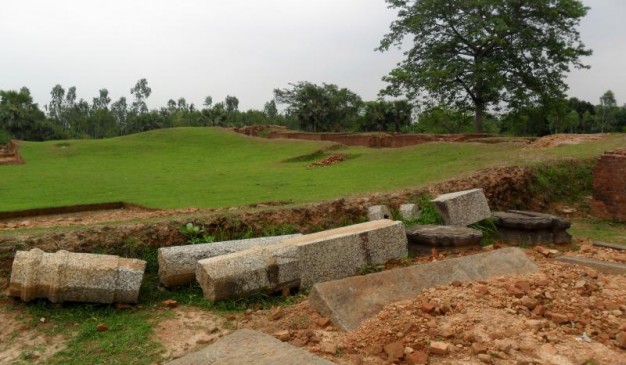
A two thousand five hundred year old fort-city was discovered at Wari-Bateshwar, after extensive exploration and limited excavation. In the 600m depth there is a fortified enclosure and four mud ramparts. Though most of the parts of the ancient ramparts have been destroyed but evidence of 5-7 feet height walls still exist in some places. The ramparts are surrounded by moat, which, in course of time, silted up and turned into paddy fields.
In the west and south-west side of Wari-Bateshwar citadel, there is a 5.8 km long, 20m wide and 10 m high mud rampart known as Asom Razar Garh. So far there are 50 archaeological sites have been discovered situated maintaining some specific distance and Wair-Bateshwar fort-city located by the bank of the river old Brahmaputra.
It is an evidence from the pattern of the archaeological sites that the ancient people established their settlements in flood-free zone. This is also the evidence of the knowledge of urban planning and intellectual capability of the ancient settlers. Similar settlement patterns we can find at Mahasthangarh (Pundranagar) in Bogra and Allahabad region of Uttar Pradesh, India. In the region of Wari-Bateshwar ,rest of the discovered archaeological sites have been buried under soil. It is assumed that they dwellers of this area used to live by agriculture and their surplus food productions were used to fulfill the necessity of the businessmen, priest and royal officials - those who lived in the city.
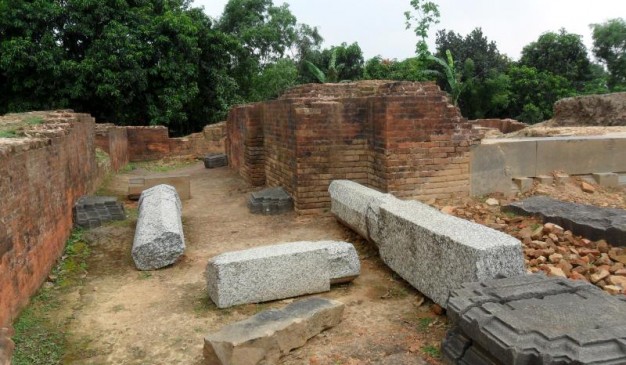
From the series of excavation at Wari-Bateshwar there have been several Buddha monastery, ancient lotus temple, Buddhist temple and Reversed pyramid features etc. are discovered in the recent years. But, now all have been buried again for temporary conservation.
The ancient inhabitants of this region were familiar with improved technical knowledge. By cutting the stone, they could manufacture beads. Raw materials, chips and flakes of semi-precious stone bead manufacture have been discovered during excavation. Which proves that there might be a big manufacturing company of beads & amulets. Through using different types of chemicals, they could decorate the beads.
They could also coat the northern black polished ware (NBPW) by using different chemicals. Developed technology was being used to control the temperature during pottery manufacture. They knew the techniques and methods of coin manufacturing by melting metal. They had the knowledge of iron processing too.
The location of Wari-Bateshwar fort-city and Asom Rajar Garh prove that, the inhabitants were experts in geometric knowledge. These factors indicate the ancient inhabitants’ close acquaintance with technological and scientific knowledge as well evidently indicate their artistic sense, adoration of beauty and skills in several technological works. Northern Black Polished Ware has a close relationship with urban culture.
Generally northern black polished wares are found in the archaeological sites of the second urbanization of the subcontinent. It is said that to meet the practical needs of the rulers and traders of the second urbanization, these northern black polished wares were produced. For the presence of Old Brahmaputra river channel, it is assumed that Wari-Bateshwar was a river port and a trade Centre as well.
From the discovery of semi-precious stone beads made of agate, quartz, jasper, carnelian, amethyst, chalcedony etc. Dilip Kumar Chakraborti (professor, South Asian Archaeology, Cambridge University) mentions that Wari-Bateshwar might be the ‘Souanagoura’ a trading centre which was mentioned by Ptolemy (2nd century geographer).
Sandwich glass bead, Rouletted Ware, knobbed ware, NBPW , different beads, amulets and pendants etc. confirmed that Wari-Bateshwar had a close connection with the contemporary several places of Indian subcontinent. It is also assumed that outside Indian subcontinent, Wari-Bateshwar had relations with South-east Asia and the Mediterranean also. In the Buddhist source Jataka and other ancient literature mentioned about the contact between Indian subcontinent and the South-east Asia.
In Wari-Bateshwar the most important discovery of the chalcolithic culture is black and red ware and evidence of pit-dwelling. Several evidence of pit-dwelling has been discovered at Inamgaon, Maharashtra, India. Ethno archaeological research shows that at Inamgaon, pit-dwelling culture still exist there. However, though Pit-dwelling of semi-arid Inamgaon has been discovered, the pit dwelling of Wari-Bateshwar arise a great question. In present context, a question arises that in a rain prone region how a pit-dwelling is feasible. Due to heavy rainfall, the exuded water will fill the pit. It is known from archaeological literature that circa 1500 BC or prior to 1000 BC, the weather of Indian subcontinent was dry.
In Wari-Bateshwar, two types of silver punch-marked coins have been discovered. One type is Janapada or pre-Mauryan silver punch-marked coins. In the subcontinent the Janapada coins were circulated from ca. 600 BC to 400 BC. The discovery of Janapada coins places Wari-Bateshwar back to the Sodosha Maha Janapada (ca. 600-400 BC) kingdom of Indian subcontinent. In recent archaeological excavation evidence of human settlement has been discovered which bears the character of Chalcolithic culture.
{:}{:bn}
দীর্ঘ খননের পর এখানে প্রায় আড়াই হাজার বছরের পুরাতন একটি শহর আবিষ্কৃত হয়। মাটির ৬০০ মিটার গভীরে মাটির তৈরি একটি দেয়াল এবং চারটি উঁচু প্রতিরক্ষামুলক বাঁধ পাওয়া যায়। প্রাচীন প্রতিরক্ষামুলক বাঁধের বেশীরভাগ ধ্বংস হয়ে গেলেও কিছু স্থানে এখনও পাঁচ থেকে সাত ফুট উঁচু দেয়ালের প্রমান পাওয়া যায়। প্রতিরক্ষা দেয়ালটি পরিখা দিয়ে ঘেরা ছিল তবে সময়ের সাথে সাথে পরিখাগুলো ভরাট হয়ে যায় এবং স্থানটি ধানক্ষেতে পরিণত হয়।
উয়ারি-বটেশ্বর দুর্গের পশ্চিম এবং দক্ষিন-পশ্চিম দিকে অসম রাজার গড় নামে পরিচিত ৫.৮ কিলোমিটার দীর্ঘ, ২০ মিটার প্রশস্ত এবং ১০ মিটার উঁচু একটি মাটির তৈরি দেয়াল রয়েছে। এখন পর্যন্ত পুরাতন ব্রহ্মপুত্র নদীর তীরে অবস্থিত উয়ারি-বটেশ্বর শহরের বিভিন্ন স্থানে প্রায় ৫০টি প্রত্নতাত্ত্বিক স্থান আবিষ্কৃত হয়েছে। প্রত্নতাত্ত্বিক স্থানগুলো থেকে প্রতীয়মান হয় যে প্রাচীনকালে মানুষেরা বন্যামুক্ত অঞ্চলে বসতি স্থাপন করেছিল যা থেকে সেসময়ের মানুষের শহরভিত্তিক পরিকল্পনা সম্পর্কে ধারনার প্রমান পাওয়া যায়। ভারতের উত্তর প্রদেশের আল্লাহবাদ অঞ্চলে এবং বগুড়ার মহাস্থানগড়ে (পুণ্ড্রনগরে) একই ধরনের বসতির নিদর্শন দেখা যায়। উয়ারি বটেশ্বরে আবিষ্কৃত বাকি প্রত্নতাত্ত্বিক নিদর্শনগুলো মাটির নীচে রয়েছে। ধারনা করা হয় যে, এই এলাকায় বসবাসকারীরা কৃষির উপর ভিত্তি করে জীবনধারন করেছিল এবং তাঁদের উৎপাদিত উদ্বৃত্ত খাদ্য শস্য এখানে বসবাসকারী ব্যবসায়ী, পাদ্রী এবং রাজ্যের কর্মকর্তা ও কর্মচারীদের চাহিদা পুরন করত।
সাম্প্রতিক সময়ে খননকালে উয়ারি-বটেশ্বর থেকে বেশকিছু বৌদ্ধ বিহার, প্রাচীন পদ্ম মন্দির, এবং উল্টো পিরামিডের নিদর্শন আবিষ্কৃত হয়। তবে, স্থায়ীভাবে সংরক্ষণ না করার কারনে এসব নিদর্শন আবারো মাটির নীচে চাপা পড়েছে।
প্রাচীন এই অঞ্চলের বাসিন্দারা উন্নত প্রযুক্তিগত জ্ঞানের সাথে পরিচিত ছিল। যেমনঃতারা পাথর কেটে পুতি তৈরি করেছিল। খননের পর এখান থেকে মূল্যবান পাথরের পুতি তৈরির কাচামাল, এবং বিভিন্ন আনুষঙ্গ আবিষ্কৃত হয় এবং এ থেকে প্রতীয়মান হয় যে হয়ত সেসময় এখানে পুতি এবং তাবিজ তৈরির বড় কোন কারখানা ছিল।
এছাড়া এখানকার অধিবাসীরা বিভিন্ন রাসায়নিক দিয়ে পালিশের কাজও করেছিল। মৃৎশিল্পের কাজ করার সময় উন্নত প্রযুক্তির মাধ্যমে তাপমাত্রা নিয়ন্ত্রন করা ছাড়াও এখানকার অধিবাসীরা ধাতু গলিয়ে পয়সা তৈরি এবং লোহাকে প্রক্রিয়াজাত করতে পারতো।
উয়ারি-বটেশ্বর এবং অসম রাজার গড়ের অবস্থান থেকে প্রমান পাওয়া যায় যে এখানকার অধিবাসীদের জ্যামিতিক জ্ঞান শুধু প্রখরই ছিলনা বরং তারা কারিগরি এবং বৈজ্ঞানিক জ্ঞানও ধারন করতেন এবং বেশকিছু কারিগরি কর্মকাণ্ডে তাঁদের শৈল্পিক এবং সৌন্দর্যবোধ ছিল চোখে পরার মত। এখানকার অধিবাসীদের ব্যবহার করা কাল রঙের পলিশ শহরের সংস্কৃতির সাথে সম্পর্কিত ছিল।
এখানকার বাসিন্দাদের ব্যবহার করা কালো পলিশের সামগ্রী পাওয়া গিয়েছিল উপমহাদেশের দ্বিতীয় নগরায়নের সময়কার বিভিন্ন প্রত্নতাত্ত্বিক নিদর্শনে। বলা হয়ে থাকে যে দ্বিতীয় নগরায়নের সময় শাসক এবং ব্যবসায়ীদের চাহিদা মেটাতে এসব কালো পলিশ উৎপাদন করা হত। পুরাতন ব্রহ্মপুত্র নদীর উপস্থিতির কারনে ধারনা করা যায় যে উয়ারি-বটেশ্বর ছিল একটি নদী বন্দর এবং বাণিজ্য কেন্দ্র।
অকীক, ফটিক, জ্যাসপার, কার্নেলিয়ান, এমেথিসট, চালেসদনি প্রভৃতি মূল্যবান রত্ন দিয়ে তৈরি মূল্যবান পাথরের পুতি আবিষ্কারের ফলে ক্যাম্ব্রিজ বিশ্ববিদ্যালয়ের দক্ষিন এশিয়া বিষয়ক প্রত্নতত্ত্ব বিভাগের অধ্যাপক দিলীপ চক্রবর্তী মনে করেন উয়ারি বটেশ্বর সম্ভবত একটি ‘সুয়ানগর’ অর্থাৎ বাণিজ্যকেন্দ্র ছিল যা দ্বিতীয় শতকের প্রখ্যাত ভুগলবিদ টলেমি উল্লেখ করেছিলেন।
উয়ারি-বটেশ্বরে প্রাপ্ত স্যানডউইচ আকারের কাঁচের পুতি, মসৃণ মৃৎপাত্র, গুলবসান গুদাম, কাল পলিশ, বিভিন্ন ধরনের পুতি, তাবিজ এবং কানের দুল থেকে প্রতীয়মান হয় যে এই অঞ্চলটির সাথে সমসাময়িক ভারতীয় উপমহাদেশের কিছু স্থানের এবং দক্ষিন-পূর্ব এশিয়া ও ভুমধ্য অঞ্চলের যোগসূত্র ছিল। উয়ারি-বটেশ্বরে ক্যালকোলিথিক সংস্কৃতির সবচেয়ে বড় প্রমান মেলে কালো ও লাল রঙের বিভিন্ন পণ্য এবং মাটি খুঁড়ে আবাস গড়ার অভ্যাস থেকে। ভারতের মহারাষ্ট্রের ইনামগাঁওয়ে মাটিতে গর্ত করে আবাস গড়ার বেশকিছু নিদর্শন পাওয়া গিয়েছে এবং জাতিগত প্রত্নতাত্ত্বিক গবেষণা থেকে দেখা যায় যে এই অঞ্চলে এখনও গর্ত করে আবাস গড়ার সংস্কৃতি বিরাজমান। অর্ধ-শুস্ক ইনামগাঁওয়ে মাটিতে গর্ত করে আবাস গড়ার প্রমান মিললেও উয়ারি-বটেশ্বরে এরকম চর্চা বড় ধরনের প্রশ্নের জন্ম দিয়েছে কেনোনা বর্তমান প্রেক্ষাপটে উয়ারি-বটেশ্বরের মত একটি বৃষ্টিপ্রবণ অঞ্চলে এ জাতীয় গর্ত করে আবাস গড়া কতটুকুই বা বাস্তবসম্মত ছিল কেননা ভারি বৃষ্টিপাতের ফলে খোরা গর্তগুলো সহজেই পানিতে ভরে যেতো। প্রত্নতত্ত্বভিত্তিক সাহিত্য থেকে জানা যায় যে প্রায় ১৫০০ অথবা ১০০০ সালের পূর্বে ভারতীয় উপমহাদেশের আবহাওয়া ছিল শুস্ক।
উয়ারি-বটেশ্বরে দুই ধরনের মুষ্টাঘাত চিন্হিত রৌপ্যমুদ্রা আবিষ্কৃত হয়। এক ধরনের মুদ্রা হল জনপদ অথবা মুয়ারন পূর্ববর্তী মুষ্টাঘাত চিন্হিত রৌপ্যমুদ্রা। উপমহাদেশে খ্রিষ্টপূর্ব প্রায় ৬০০ থেকে ৪০০ সাল পর্যন্ত জনপদ নামক মুদ্রার প্রচলন ছিল। জনপদ নামক মুদ্রার আবিষ্কারের ফলে ধারনা করা হয় যে উয়ারি-বটেশ্বর ভারতীয় উপমহাদেশের সদোশা মহাজনপদ রাজ্যের (খ্রিষ্টপূর্ব প্রায় ৬০০ থেকে ৪০০ সাল পর্যন্ত) অংশ ছিল। উয়ারি-বটেশ্বরে সাম্প্রতিক খননকালে ক্যালকোলিথিক সংস্কৃতির মানব সভ্যতার প্রমান পাওয়া যায়।
{:}
)
)