Array
(
[0] => Array
(
[name] => {:en}Angti Chorar Beel{:}{:bn}আংটি চোরার বিল {:}
[post_id] => 5036
[post_link] => http://offroadbangladesh.com/places/angti-chorar-beel/
[thumb_link] => http://offroadbangladesh.com/wp-content/uploads/2015/03/angti-chorer-beel-LonelyTraveler1-300x225.jpg
[post_content] => {:en}
Angti Chorar Beel (আংটি চোরার বিল) is a place which has more mythical value than its tourist spot value. It is mainly a shallow water body which has water more or less every seasons. During the rainy season it uses to expand its area for the water of rain. But at other seasons the main water body uses to shrink into a smaller one. People made a village path for better communication through this Beel (বিল) which helped it to fill and shrink quickly.
Also, due to the overwhelming demand of agriculture, people have started filling this Beel (বিল) and cultivating paddies. That's why this Angti Chorar Beel (আংটি চোরার বিল) is divided into two. I have visited this place after visiting the Bebud Rajar Pukur. In fact, it was on my way as I have chosen the alternate path for returning from there. Due to the rainy season it was a green area and I have passed few moments here after pausing my rickshaw on the village path.
Myth on Angti Chorar Beel (আংটি চোরার বিল):
The king Bebud (বেবুদ) was happy with the solution as his son used to get proper feeding from his conjured wife and also he had a chance to meet his wife every day. One day he told all about this magic to one of his friend. But his friend had a treacherous intention in his mind. He has stolen the ring from the king at one night.
But somehow the king was notified about this theft. He order his guards to catch the thief. So they had a run after the thief. That thief couldn't reach far enough and caught by the guards. The ring dropped from his hand and it struck the land and created a massive water body which is known as Angti Chorar Beel(আংটি চোরার বিল) now a days.
Alternate version of the story is: One day the king was having a boat ride on this Beel (বিল). A thief (one of his friend from the boat) was trying to steal his ring from his hand while he was tired and having a rest. But while stealing the ring, it dropped into the water from his hand. Later king assigned his peasants to find the ring from the water. But couldn't retrieve the ring from the water. After that the Beel(বিল) is known as Angti Chorar Beel (আংটি চোরার বিল).
In either cases, after the incident, the king Bebud(বেবুদ) was never been able to conjure her wife again.
{:}{:bn}
আংটি চোরার বিল পর্যটনের জন্য যতটা না গুরুত্ব বহন করে তার চেয়ে এই স্থানটিকে নিয়ে প্রচলিত লোকো কাহিনীর গুরুত্ব অনেক বেশি। এই অগভীর বিলটি প্রায় সারাবছরই পানিতে পরিপূর্ণ থাকে তবে বর্ষাকালে বৃষ্টির পানিতে বিলটি প্রসারিত হয়ে যায়। তবে অন্যান্য মৌসুমে পানির পরিমান কমে যাওয়ায় স্থানীয়রা বিলের মধ্য দিয়ে যোগাযোগের জন্য রাস্থা নির্মাণ করে এতে করে বিলটি সংকুচিত হয়ে পড়ে।
এছাড়া, কৃষিকাজের জন্য স্থানীয়রা বিলটি ভরাট করে ফেলে বিভিন্ন শস্য চাষ করে থাকে। এ কারনেই আংটি চোরার বিলটি দুভাগে বিভক্ত। বেবুদ রাজার পুকুর দেখে ফেরার সময় আপনি এই বিলটি দেখতে পারবেন।
আংটি চোরার বিলকে নিয়ে প্রচলিত কল্পকাহিনি:
রাজা বেবুদ জাদুর আংটির মাধ্যমে সমস্যার সমাধান করতে পেরে খুশি ছিলেন কারন এতে করে তার পুত্র যেমন জাদুর আংটির মাধ্যমে নিয়ে আসা তাঁর স্ত্রীর কাছে ভালভাবে খেতে পারবে অন্যদিকে তাঁরও সুযোগ রয়েছে স্ত্রীর সাথে প্রতিদিন মিলিত হওয়ার। একদিন রাজা তাঁর এক বন্ধুকে এই জাদুর সম্পর্কে জানান কিন্তু বন্ধুটি দুরভিসন্ধি করে রাজার কাছ থেকে একরাতে আংটি চুরি করে।
রাজা বেবুদ কোনভাবে এই চুরির ব্যাপারে জেনে যান এবং তাঁর প্রহরীদের নির্দেশ দেন আংটি চোরকে ধরার জন্য। প্রহরীরা চোরকে ধাওয়া করে এবং বেশিদুর পালাতে না পাড়ায় চোরকে ধরে ফেলে। এসময় আংটিটি চোরের হাত থেকে মাটিতে পড়ে আটকে যায় এবং এতে করে বিশাল একটি বিলের সৃষ্টি হয় যেটি বর্তমানে আংটি চোরার বিল নামে পরিচিত।
কল্পকাহিনীর অন্য বিবরণঃ একদিন বেবুদ রাজা এই বিলে নৌকা ভ্রমন করছিলেন। এসময় রাজা ক্লান্ত হয়ে বিশ্রাম নেওয়ার সময় নৌকায় উপস্থিত রাজার একজন বন্ধু রাজার আঙ্গুল থেকে আংটি চুরির চেষ্টা করে। তবে খুলে নেওয়ার সময় আংটিটি পানিতে পড়ে যায়। পরবর্তীতে রাজা তাঁর প্রজাদের নির্দেশ দেন পানি থেকে আংটি খুঁজে আনতে। তবে আংটিটি আর খুঁজে পাওয়া যায়নি। এরপর থেকেই বিলটি আংটি চোরার বিল নামে পরিচিত হয়ে আসছে। উভয় কাহিনীতেই আংটি হারানোর পর বেবুদ রাজা তাঁর স্ত্রীকে জাদুর মাধ্যমে আর আনতে পারেননি।
ছবির জন্য ক্লিক করুন: http://www.panoramio.com/photo/91686014
http://www.panoramio.com/photo/91685995
{:}
)
[1] => Array
(
[name] => {:en}Haripur Gas Field{:}{:bn}হরিপুর গ্যাসক্ষেত্র{:}
[post_id] => 4268
[post_link] => http://offroadbangladesh.com/places/haripur-gas-field/
[thumb_link] => http://offroadbangladesh.com/wp-content/uploads/2015/03/Gas_Coming_out_of_land_in_Haripur_Gas_Field_Sylhet_Bangladesh_11-225x300.jpg
[post_content] => {:en}
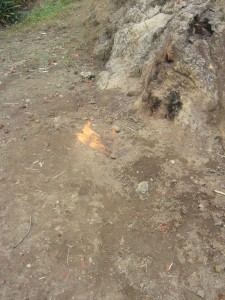
Haripur Gas Field is known as Sylhet Gas Fields limited. It is a sister concern of PETRO Bangla under the Ministry of Power, Energy and Natural Resource. It primarily started production of natural gas and mineral gas in the country.
In quest of natural gas, the then Pakistan Petroleum Limited (PPL) in 1955 commenced drilling activities at Haripur, a small village of Jaintapur police station in Sylhet district of the former East Pakistan. As drilling of a well in the structure was progressing, the first discovery of gas in the country took place in the same year. Unfortunately their effort did not succeed as blow out occurred in the very first well of the country because of abnormal high pressure. Before the independence of Bangladesh, 6 wells were drilled in Haripur. Of the six wells, only two wells, well no. 3 and well no. 6 became operative and the rest were abandoned for various technical reasons. Haripur structure consists of four layers. These are Tipam, upper Boka Beel, second Boka Beel and lower Boka Beel.
After the liberation war, Sylhet-7 well, the much discussed well in the history of Bangladesh as this was the single oil producing well of the country, was drilled at Haripur in 1986. However, with time a gradual production declining trend had become apparent. After 07 years of more or less uninterrupted production of total 560869 barrels of crude oil, the well ceased its production on 14th July, 1994. The well head pressure was zero at that time.
In March 2005 the work over was done on the well and was completed as a gas producer with an initial production capacity of 15 MMCFD.
The last well, which was drilled in Haripur gas field by Scimitar Exploration Ltd. in 1989, is Surma 1A well. This well was an appraisal well for oil discovery but oil was not found. Now this well is producing gas. Recently 3D Seismic Survey has been completed in the field of Sylhet-7 well.
1X30 MMscfd Silicagel type solid desiccant dehydration plant and 68 bbl/day capacity condensate fractionation plants have been set up in the field to process the gas and condensate produced from the wells.
{:}{:bn}হরিপুর গ্যাসক্ষেত্র সিলেট জেলার গোয়াইনঘাট উপজেলায় অবস্থিত। সিলেট গ্যাস ফিল্ডস লিমিটেড নামে পরিচিত এই গ্যাসক্ষেত্রটি বিদ্যুৎ, জ্বালানি এবং খনিজ সম্পদ মন্ত্রনালয়ের অধীনে পেট্রোবাংলার একটি সহযোগি সংগঠন। এই গ্যাসক্ষেত্র থেকে দেশে প্রাকৃতিক ও খনিজ গ্যাস উৎপাদন শুরু হয়।
১৯৫৫ সালে তদানিন্তন পাকিস্তান পেট্রোলিয়াম লিমিটেড (পিপিএল) প্রাকৃতিক গ্যাসের খোঁজে তৎকালীন পূর্ব পাকিস্তানের সিলেট জেলার জৈন্তাপুর থানার অধীন হরিপুর নামক গ্রামে খনন কাজ শুরু করে এবং একই বছর কূপ খনন করার সময় দেশে প্রথমবারের মত প্রাকৃতিক গ্যাসের সন্ধান মেলে। কিন্তু দুর্ভাগ্যবশত অতিরিক্ত উচ্চচাপের কারনে সৃষ্ট বিস্ফোরণের কারনে দেশে খনন করা প্রথম কূপ থেকে গ্যাস উত্তোলনের চেষ্টা সফল হয়নি। বাংলাদেশের স্বাধীনতার পূর্বে হরিপুরে ৬টি কূপ খনন করা হয় যেগুলোর মধ্যে ৩ নং ও ৬ নং কূপ দুটি সক্রিয় থাকলেও বাকি কুপগুলোকে বিভিন্ন যান্ত্রিক কারনে পরিত্যাক্ত করতে হয়েছিল। হরিপুরের মাটির নীচের চারটি স্তর হলঃ টিপাম, উপরের বোকাবিল, দ্বিতীয় বোকাবিল এবং নীচের বোকাবিল।
স্বাধীনতার পর ১৯৮৬ সালে হরিপুরে বহুল আলোচিত সিলেট-৭ কূপটি খনন করা হয় যেটি ছিল দেশের তেল উৎপাদনকারি একমাত্র কূপ। সময়ের সাথে সাথে কূপটির সরবরাহের ক্ষমতা কমতে থাকে এবং প্রায় সাত বছর একটানা প্রায় ৫৬০৮৬৯ ব্যারল অপরিশোধিত তেল সরবরাহের পর ১৯৯৪ সালের ১৪ই জুলাই কূপটি থেকে তেল সরবরাহ পুরোপুরি বন্ধ হয়ে যায় এবং সেসময় কূপটিতে চাপের পরিমান ছিল শূন্য। ২০০৫ সালের মার্চে এই কূপটিকে গ্যাস সরবরাহকারি কুপে রুপান্তর করা হয়। সেসময় কূপটির ১৫ এমএমসিএফডি গ্যাস সরবরাহ করার ক্ষমতা ছিল।
১৯৮৯ সালে হরিপুর গ্যাসক্ষেত্রে সর্বশেষ খনন করা কূপটি হল সুরমা ১ক, যেটি খনন করেছিল সিমিটার এক্সপ্লোরেসন লিমিটেড। তেলের খোঁজে খনন করা হলেও এই কূপে তেল পাওয়া যায়নি। বর্তমানে এই কূপ থেকে গ্যাস উৎপাদিত হচ্ছে। সম্প্রতি, এই গ্যাসক্ষেত্রে ত্রিমাত্রিক সিসমিক জরিপের কাজ শেষ হয়েছে।
কূপ থেকে প্রাপ্ত গ্যাস এবং অন্যান্য সম্পদ প্রক্রিয়ার জন্য এই গ্যাসক্ষেত্রে ১ X৩০ এমএম এসসিএফডি সিলিকাটাইপ সলিড ডেসিকেন্ট ডিহাইড্রেশন প্ল্যান্ট এবং ৬৮ বিবিএল/দিন ধারনক্ষমতাসম্পন্ন কনডেনসেট ফ্র্যাকশনেসন প্ল্যান্ট স্থাপন করা হয়েছে।{:}
)
[2] => Array
(
[name] => Sundarbans
[post_id] => 2020
[post_link] => http://offroadbangladesh.com/places/sundarbans/
[thumb_link] => http://offroadbangladesh.com/wp-content/uploads/2015/02/deer-in-the-bush-in-sundarban-tour-300x192.jpg
[post_content] =>
Satkhira region is mainly famous for the Sundarbans. Sundarbans is most large single block of tidal mangrove forest in the world. It lies between the vast Bay of Bengal Ocean and rivers of the Ganges and the Brahmaputra, it spreads across Bangladesh and West Bengal in India. The waters of these rivers mix with the ocean water and so in this part of their flow the rivers are brackish or saline. Water covers the forest-islands twice a day during high tide.
It is considered a World Heritage site by UNESCO. The forest is mostly popular for incredible plants and wildlife. Trees having roots can breathe directly from the air. There are numerous species and it is mostly famous for Royal Bengal tiger. The forest safeguards people of north from cyclones and tsunami waves. Previously, the islanders were allowed to go into the forest to collect firewood, honey, crab and fish but now these activities have been banned by the governments of both Bangladesh and West Bengal.
)
[3] => Array
(
[name] => {:en}Lackatoorah Tea Estate{:}{:bn}লাক্কাতুরা চা বাগান{:}
[post_id] => 4367
[post_link] => http://offroadbangladesh.com/places/lackatoorah-tea-estate/
[thumb_link] => http://offroadbangladesh.com/wp-content/uploads/2015/03/Lackatoorah-Estate-Shameem-Bakhshi1-300x211.jpg
[post_content] => {:en}
Lackatoorah Tea Estate is one of the oldest tea estate of Sylhet with plantation area of 1600 acres. It is one of the largest tea estates in Bangladesh producing 500,000 kg of tea every year.
[This spot needs more detail. If you have more information and photos, please be advised to add in our website. Your name will be published as a Content Contributor]
{:}{:bn}লাক্কাতুরা চা বাগান সিলেট জেলার চৌকিঢেঁকী উপজেলায় অবস্থিত। প্রায় ১৬০০ একর জমির ওপর অবস্থিত এই চা বাগানটি সিলেটের পুরানো চা বাগানগুলোর মধ্যে অন্যতম। বাংলাদেশের অন্যতম বৃহৎ এই চা বাগান থেকে বছরে প্রায় ৫০০০০০ কেজি চা উৎপাদিত হয়ে থাকে।{:}
)
)