Brief
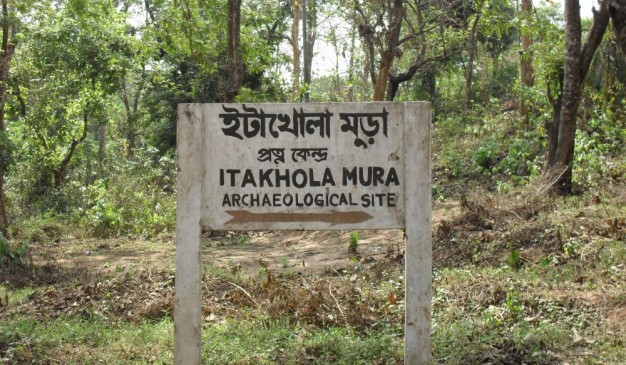
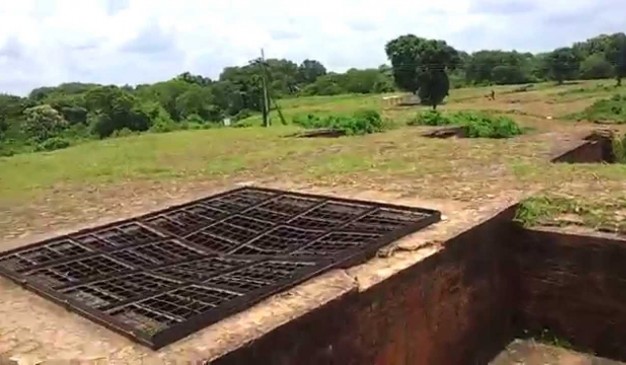
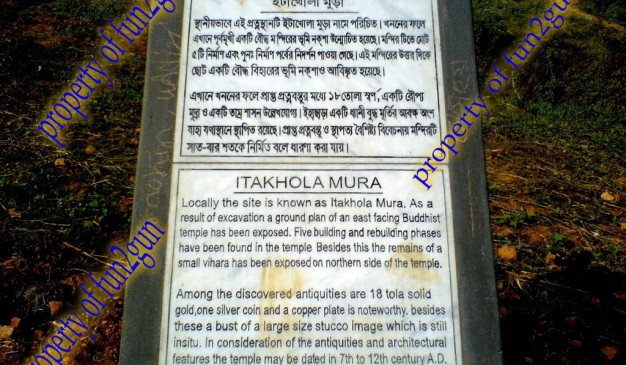
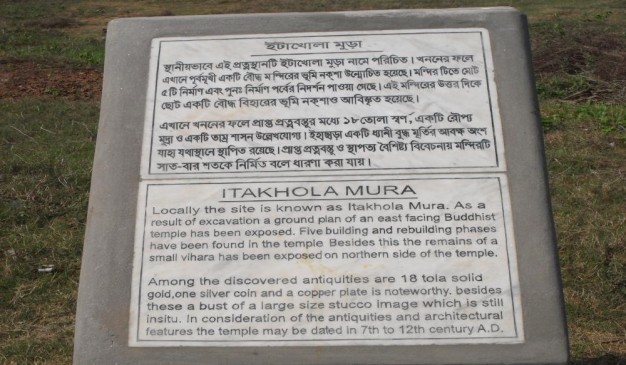
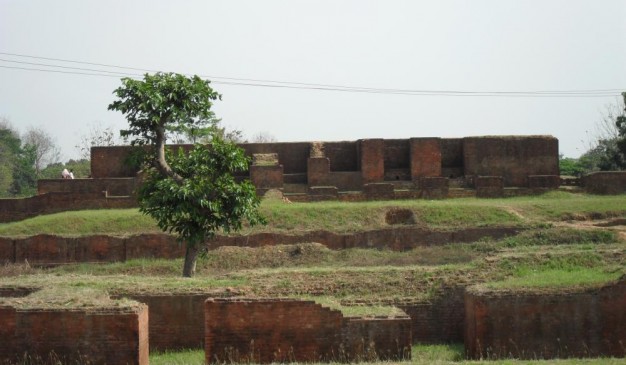
Itakhola Mura is an archaeological site in Mainamati. This site is one of the most impressive ruins. It lies in three terraces on adjacent hillocks just opposite the Rupban Mura site across the Kotbari road in Comilla. Excavations have revealed here a grand stupa complex with an attached monastery, located 42m to its north. The cultural phases of the site are stated (or overstated) to be five; the earlier three being still buried underneath the later remains.
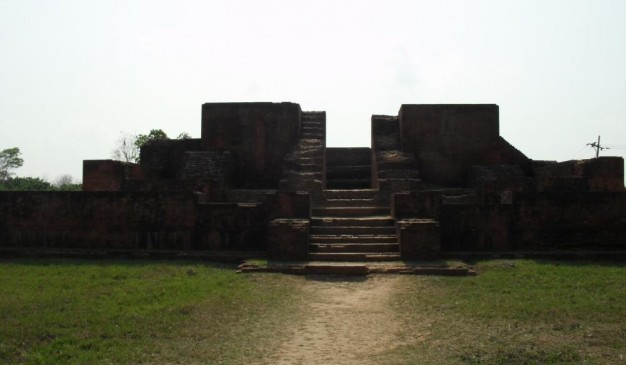
The Stupa Complex was originally built as a solid stupa in the traditional style on a 13.1 meter square basement. However, it has one peculiarity; a small sanctum (2.4 m x 2.1 m) built in the center of its eastern or front side.
Subsequently, the shrine was enlarged and elaborated by additions and alterations, especially by adding three long narrow chapels in the eastern side after blocking the old sanctum; thus giving the structure an oblong shape (41.4 m x 24m). In this particular feature, it is strikingly similar to the Rupban Mura shrine. The side chapels were ultimately blocked up, leaving space for a few cubicles for installing cult images, as in other parts of the shrine. This establishment is surrounded by a 2.6 m wide circumlocutory passage and is enclosed by a 1.2 m thick boundary wall.
This holy precinct is again enclosed within a much larger, well-defined, and better preserved boundary wall (79 m x 56 m), in the slightly lower second terrace. It contains three interesting subsidiary shrines, two in two corners of the eastern side, and the other, a slightly larger one, at the back in the west. An elaborate entrance with 22 broad steps at the Center of the eastern side leads to the much lower third terrace. The outer face of its damaged boundary wall in this front side is excellently decorated with offsets, sunken panels, and ornamental designs.
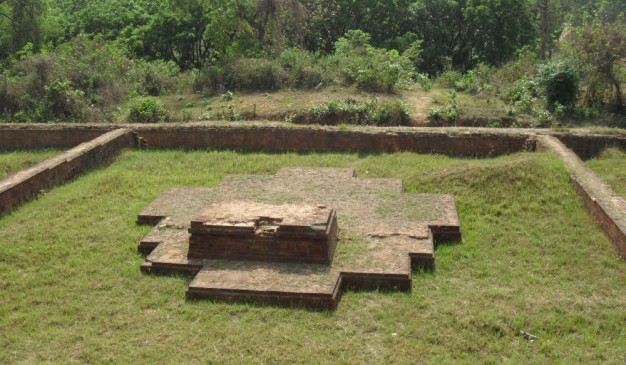
Five votive stupas lie at the base of the long staircase, three of them in a north south row within a well-defined enclosure, all semi-cruciform in shape, like that of the larger subsidiary shrines in the western side of the second terrace. They certainly represent an experimental early stage in the development of the cruciform style in Buddhist architecture that we see in mature form at shalvan vihara, paharpur, Vikramashila and many other sites. These structures may reasonably be dated as belonging to 7th-8th centuries AD.
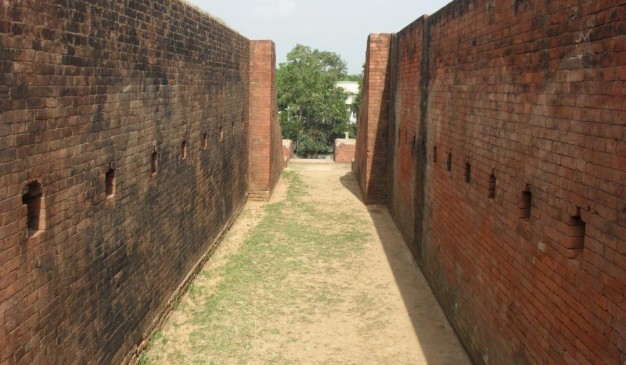
The Monastery This medium sized monastery of the usual square shape with 19 cells and one entrance hall was built around an open courtyard, 16.2m. Square, on a separate mound. Its monumental gateway complex, 17.6m x 8.5m, projecting outwards, lies at the Centre of the eastern wing. Some of the cells have brick-built bedsteads. This structure was badly damaged by brick-hunters in 1944-45.
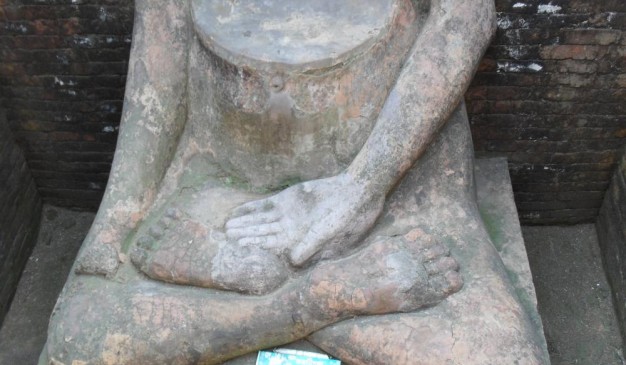
Mentionable antiquities from the site, besides the stucco image, are three round pellets of solid gold, (19 tolas), and a copperplate inscription, discovered during clearance work after the excavations. The copperplate has not yet been deciphered.
Array
(
[0] => Array
(
[name] => {:en}Parulia Mosque{:}{:bn}পারুলিয়া মসজিদ{:}
[post_id] => 4137
[post_link] => http://offroadbangladesh.com/bn/places/parulia-mosque/
[thumb_link] => http://offroadbangladesh.com/wp-content/uploads/2015/03/DSCN1052-300x225.jpg
[post_content] => {:en}
Parulia Mosque,According to a Persy inscription attached in the main gateway of the mosque; Bibi Jainab, a daughter of Nasir shah and wife of Diwan Sharif, built this mosque in 1126 AH/ 1714 AD. Internally,it is 18.29m in long, 5.18m wide and the wall of the mosque is 1.52m thick. Two lateral arches divided the interior of the mosque into three square sections. Three domes cover the roof of these three sections. The domes are crowned with lotus and kalasa finials. There are banded octagonal corner towers at four corners of the mosque. It was an exception that all the corner towers reached up to the cornice. In the Mughal style corner towers generally reach above the cornice.
There are five archways in the mosque, three at the eastern wall and one each at northern and southern walls. The central archway is bigger than the other four which are all in same size and shape. The upper portion of the outer side of the main gateway is under a half-domed roof and is recessed in a rectangular structure. Three mihrabs are at the western wall corresponding to the three archways of the eastern wall. All the mihrabs and the archways are stuck in rectangular structure, which are ornamented with merlons. There are arched niches on both sides of the mihrabs and archways. Archways and mihrabs are marked by their outward projection. Rectangular and square panels decoration are in both sides of the outer face of the archways.
The mosque was partially damaged by earthquakes in 1897 and was renovated later on. There is a square shaped open courtyard in front of the mosque, which is surrounded by a wall not very high. A beautiful gateway is in the eastern side of this wall.
There are two ponds at the northern and southern side of the Mosque which has increased the beauty of Mosque. And it makes the environment of Mosque Premises cool.
There is a one domed square tomb of Diwan Sharif and Bibi Jainab on the western side of the mosque. Every year at some particular month many people of cultural diversity have come here to celebrate a fair (Local term oros). They open so many itinerant shop of snacks and different kinds of toys. People come to pray and wish to have something (Spiritual) which is related with the well being of their life.
{:}{:bn}
নরসিংদী জেলার পলাশ উপজেলার পারুলিয়ায় এই মসজিদটি অবস্থিত। মসজিদের মূল ফটকে রক্ষিত একটি পারস্য শিলালিপি থেকে জানা যায় ১১২৬ হিজরী/১৭১৪ সালে জনৈক নাসির নামক ব্যাক্তির কন্যা এবং দিওয়ান শরীফ নামক ব্যাক্তির স্ত্রী বিবি জয়নাব এই মসজিদটি নির্মাণ করেন। মসজিদটির অভ্যন্তরের দৈর্ঘ্য ১৮.২৯ মিটার, প্রস্থ ৫.১৮ মিটার এবং মসজিদের দেয়ালের ঘনত্ব ১.৫২ মিটার। দুটি ধনুকআকৃতির সমান্তরাল পথের মাধ্যমে মসজিদের অভ্যন্তরকে তিনটি বর্গাকারভাগে ভাগ করা হয়েছে। প্রতিটি ভাগের উপরেই একটি করে গম্বুজ রয়েছে। প্রতিটি গম্বুজে নকশা ও অলংকার খোদাই করা আছে। ব্যাতিক্রম হিসেবে মসজিদের চারকোণায় অষ্টভুজ টাওয়ার রয়েছে যেগুলোর প্রতিটির উচ্চতা কার্নিশ পর্যন্ত। মুঘল স্থাপত্যশৈলীতে কোনার টাওয়ারগুলোর উচ্চতা সাধারণত কার্নিশকে ছাড়িয়ে যায়। মসজিদটির মোট পাঁচটি ধনুকআকৃতির ফটকের মধ্যে পূর্বদিকের দেয়ালে তিনটি, উত্তর ও দক্ষিন দিকের দেয়ালে একটি ফটক রয়েছে। মসজিদের মাঝখানের ফটকটি অন্যান্য ফটকের চেয়ে বড়। মসজিদের মূল ফটকের বাইরের দিকটি উপরিভাগ অর্ধগম্বুজ আকৃতির ছাদের নীচে অবস্থিত যেটি একটি আয়াতক্ষেত্রাকার কাঠামোর উপর নির্মাণ করা হয়েছে। অন্যান্য ফটকগুলো সামান্য নিচু আয়াতক্ষেত্রাকার কাঠামোর উপর নির্মাণ করা হয়েছে। মসজিদের পশ্চিমদিকের দেয়ালে পূর্বদিকের ফটকগুলো বরাবর তিনটি মিহরাব অবস্থিত। সবকটি মিহরাব এবং ধনুকআকৃতির ফটকগুলো অলংকারখচিত আয়াতক্ষেত্রাকার কাঠামোর উপর নির্মাণ করা হয়েছে। মিহরাব এবং ফটকের উভয়দিকেই ধনুকআকৃতির কোটর রয়েছে। ফটকগুলোর বাইরের অংশে বর্গাক্ষেত্রাকার এবং আয়াতক্ষেত্রাকার নকশা রয়েছে। ১৮৯৭ সালের ভুমিকম্পে মসজিদটি আংশিক ক্ষতিগ্রস্ত হলেও পরবর্তীতে মসজিদটি মেরামত করা হয়। মসজিদের সামনের বর্গাক্ষেত্রাকার আঙ্গিনাটি প্রাচীর দিয়ে ঘেরা। তবে প্রাচীরের উচ্চতা খুব বেশি নয় তবে প্রাচীরের পূর্বদিকেএকটি চমৎকার ফটক রয়েছে।পারুলিয়া মসজিদের উত্তর ও দক্ষিণদিকে অবস্থিত দুটি পুকুর মসজিদ অঙ্গনকে ঠাণ্ডা রাখার পাশাপাশি মসজিদের সৌন্দর্য বহুগুনে বৃদ্ধি করেছে।
মসজিদের পশ্চিমে দিওয়ান শরীফ এবং বিবি জয়নাবের এক গম্বুজবিশিষ্ট দরগা অবস্থিত। প্রতিবছর এখানে বছরের একটি নির্দিষ্ট মাসে মেলা (স্থানীয়ভাবে ওরশ বলা হয়) অনুষ্ঠিত হয় যেখানে বিভিন্ন সংস্কৃতির মানুষজন অংশ নিয়ে থাকে। এসময় এখানে বিভিন্ন খাবার ও খেলনা পাওয়া যায়। মানুষ এখানে এসে প্রার্থনা করে এবং নিজেদের জীবনের সমৃদ্ধির জন্য কিছু চেয়ে থাকে।
{:}
)
[1] => Array
(
[name] => Murapara Zamindar Palace
[post_id] => 11665
[post_link] => http://offroadbangladesh.com/bn/places/murapara-zamindar-palace/
[thumb_link] => http://offroadbangladesh.com/wp-content/uploads/2015/07/657103711-300x227.jpg
[post_content] =>
Murapara Zamindar Palace was built during 1890 by Ramratan Banarjee. He was a trusted person of a British Indigo Planter during the British Colonial period. At that time when the indigo planter left the country after the death of his daughter, he gifted plenty of gold and money to Ramratan. Using those, he built this mammoth palace. During the war 1971, many ornate portion of the palace was plundered by people. We came to know that there were two statues of lions at the gate of the palace boundary, and both of them stolen that time. After the war, this palace was used as a refuge camp for the non-bengali people & local people established a college using the building.
This building was renovated several times, and now a days, it just lost all it's heritage. But still you can visit the palace for your weekend or any other holidays. There are two large ponds loacted at the palace premise. One at the front side and another one at the back side. You can take your sit at the bench made from stone (once upon a time, now no stone existing, only brick) to get some fresh air. In addition there is an old temple available inside the palace premise. It’s just in front of the pond . This palace is just beside the highway, and after that you can easily see the river Shitalakkhya (শীতলক্ষ্যা).
)
[2] => Array
(
[name] => Tagore Lodge
[post_id] => 22089
[post_link] => http://offroadbangladesh.com/bn/places/tagore-lodge/
[thumb_link] => http://offroadbangladesh.com/wp-content/uploads/2015/10/P_20151017_112341_1_p-300x169.jpg
[post_content] => In 1895, Rabindranath Tagore came to Kushtia main town to set up his business. At that time, common Hindu families tend to set up family businesses among the partnership of family members. Tagore patronized his family business and established a private company named "Tagore and Company". At that time
Millpara was the industrial and commercial area to run businesses. So he set up this duplex building as the office of his business named as Tagore Lodge. This building was elongated to the east-west. The main gateway is in the north. Iron made spiral staircase is in the west. At the beginning the business growth was significant. But later he failed to make revenue and gave up.
Now this building has renovated and newly painted by both the governments of Bangladesh and India. A metal made statue of Ravindranath Tagore has been placed there. But the building opens occasionally, when people comes here with reference or guest from government official invitation can visit this lodge.
)
[3] => Array
(
[name] => Ruplal House: The Magnificent Past of Farashganj
[post_id] => 7443
[post_link] => http://offroadbangladesh.com/bn/places/ruplal-house-farashganj/
[thumb_link] => http://offroadbangladesh.com/wp-content/uploads/2015/04/Ruplal-house-Farashganj1-300x240.jpg
[post_content] =>
The year was 1888. Viceroy Lord Dufferin of India was scheduled to visit these parts on an official tour during the then British Raj. A grand Ballroom Dancing program was organized by the English in honor of the Viceroy. And thus began a search for a suitable venue which was not only beautiful enough to be fitting of such an occasion but was also equipped with all appropriate amenities and facilities. In line with this requirement, three houses were short listed: Ahsan Manzil, the current Banga Bhaban (President’s Residence) & the Ruplal House. Finally, due to modernity of all the facilities available, its incomparable beauty and it’s grand architectural style the Ruplal House was chosen as the site for this grand program.
Ruplal House (Rooplal House) is located at Farashganj, just beside the bank of the Buriganga River. It was built by two prominent merchant brothers from Dhaka, Ruplal and Raghunath Das. It cannot exactly be determined how old the building actually is, but according to the locals there it may be around 150-200 years old.
Apart from Ruplal House, there is another adjoining buildings both of which have almost similar architectural styles, but the Ruplal House is the most beautiful one among the others. Nowadays Ruplal House is known as Zakir House, and the other one is known as Noorjahan House. However, nowadays inside both the buildings you'll find a vibrant spice and vegetable market.
The house has more than 50 rooms including a Hall Room, all of which are large and spacious consistent with the architecture of those time. The building has large cylindrical columns in line with the architectural styles of Ancient Greek buildings. Also top of the building, especially the ledges are also decorated with intricate designs reminiscent of Greek Architure as well as the Victorian Castles of England. But now a days, mostly due to the lack of maintenance, trees and unbridled weeds have grown up the wall of the building.
No one is available there to clean the premises &/or maintain it and also inside the building you'll find unauthorized people living. Recently Bangladesh government has announced this as archaeological property, but as of yet no action taken to preserve it.
)
)