Array
(
[0] => Array
(
[name] => {:en}Shah Mahmud Masjid{:}{:bn}শাহ মাহমুদ মসজিদ{:}
[post_id] => 5104
[post_link] => http://offroadbangladesh.com/places/shah-mahmud-masjid/
[thumb_link] => http://offroadbangladesh.com/wp-content/uploads/2015/03/Shah-Mahmud-Masjid2-300x225.jpg
[post_content] => {:en}
Shah Mahmud Masjid is an attractive building at Egarosindur may be dated sometime around 1680 AD. The mosque stands at the back of a slightly raised platform, which is enclosed by a low wall with a gateway consists of an oblong structure with do-chala roof. The mosque proper is a square structure, 5.79m a side in the inside, and is emphasized with octagonal towers on the four exteriors angles. All these towers shooting high above the roof and terminating in solid kiosks with cupolas, were originally crowned with kalasa finials, still intact in the southern one. The western wall accommodates inside three mihrab –the central one semi –octagonal and the side ones rectangular. The central doorway and central mihrab are larger than their flanking counterparts. The mosque has four axially projected front ones, each corresponding to the centrally located doorways and the central mihrab. The parapets and cornices are horizontal in the usual Mughal fashion.
All the mihrabs are enriched with terracotta decoration. The mihrabs are arched having cuspings in their outer faces. The pilasters, supporting the mihrab arches, show a series of decorated bands topped by a frieze of petals. The spandrels of these arches, though now plain must have been originally enriched with terracotta plaques. Above the rectangular frame of the central mihrab there is a row of arched-niches filled with varieties of small trees containing flowers. The mosque should specially be noted for its four axially projected frontons with bordering ornamental turrets, a device which must have been borrowed from the four axial iwan-type gateways of the Persian influenced north Indian Mughal standard mosques of Fathpur, Agra and Delhi.
The mosque has a very large dome at the top. Four corners of the mosque are having octagonal columns and the middle of the walls are having eight small columns (each wall two). The Shah Mahmud mosque has stylish terracotta at the eastern wall. Also it has expensive (considering that period) decoration at the top of the walls, columns and mini-minarets.
{:}{:bn}
এগারোসিন্দুর গ্রামে অবস্থিত অন্যতম আকর্ষণীয় এই স্থাপনাটি সম্ভবত ১৬৮০ সালের দিকে নির্মিত হয়েছিল। একটি উঁচু প্লাটফর্মের পেছনে অবস্থিত এই মসজিদটি নিচু দেয়াল দিয়ে ঘেরাও করা হয়েছে। মসজিদে ঢোকার ফটকটি আয়াতক্ষেত্রাকার এবং এটিতে দোচালা ছাদ রয়েছে। ছাদের উপর চার কোণায় অষ্টভুজ চারটি টাওয়ারসহ বর্গাক্ষেত্রাকার এই মসজিদের ভেতরের প্রতিটি দিকের দৈর্ঘ্য ৫.৭৯ মিটার। মসজিদের টাওয়ারগুলোতে ছোট কক্ষ ছিল এবং টাওয়ারগুলো অলংকার দিয়ে সাজানো হয়েছিল। দক্ষিন দিকের টাওয়ারে এখনও সেসব অলংকারের দেখা মেলে। মসজিদের পশ্চিম দেয়ালে তিনটি মিহরাব আছে যেগুলোর মধ্যে মাঝের মিহরাবটি অষ্টভুজ আকারের এবং বাকি পাশের দুটি মিহরাব বর্গক্ষেত্রাকার। মসজিদের মাঝখানের মিহরাব এবং দরজাটি অন্যান্য মিহরাব ও দরজাগুলোর চেয়ে আকারে বড়। মসজিদের প্রাচীর এবং কার্নিশগুলো মুঘল স্থাপত্যের মত সমান্তরাল।
মসজিদের ধনুকাকারের মিহরাবসমূহে টেরাকোটার নকশা করা রয়েছে। মসজিদের মিহরাবের সাথেকার প্রতিটি কলামে পাতা এবং শৃঙ্খলের নকশা রয়েছে এবং ধনুকাকার মিহরাব এবং ছাদের সংযোগস্থলে একসময় টেরাকোটার ফলক ছিল বলে বোঝা যায়। এখানকার মাঝখানের মিহরাবের উপরে বিভিন্ন ফুল সমেত ছোট গাছের নকশা রয়েছে। মসজিদের সম্মুখভাগের চারটি চূড়ার নকশার উত্তর ভারতের ফতেহপুর, আগ্রা এবং দিল্লির মুঘল আমলের মসজিদগুলোর পারস্য নকশার সাথে মিল পাওয়া যায়।
মসজিদের উপরে একটি বিশালাকার গম্বুজ রয়েছে এবং এখানকার পূর্বদিকের দেয়ালে টেরাকোটার কাজ ছাড়াও দেয়ালের উপরে, কলামে এবং মিনি মিনারে সে আমলের ব্যয়বহুল নকশার কাজ রয়েছে।
ছবির জন্য এখানে ক্লিক করুন http://www.panoramio.com/photo/91597929
http://www.panoramio.com/photo/91597914
{:}
)
[1] => Array
(
[name] => Khanjan Dighi Mosque
[post_id] => 3604
[post_link] => http://offroadbangladesh.com/places/khanjan-dighi-mosque/
[thumb_link] => http://offroadbangladesh.com/wp-content/uploads/2015/02/Khanjan-dighi-mosque-1-300x225.jpg
[post_content] => Khanjan Dighi Mosque is located at the south of Dasbari mosque, where Ballal Sen excavated a Dighi. Against the southern fringe by going a bit north we can see remnants of Khanjan Dighi mosque. It is also known as Khoniya Dighi mosque to many. Many also know it as Rajbibi Mosque. The mosque has been inside the jungle for a long time. The loss of forest makes the mosque visible to human eye. By seeing its architecture it is assumed that it was built in the 15
th century.
)
[2] => Array
(
[name] => {:en}Golakata Mosque and Dighi{:}{:bn}গলাকাটা মসজিদ এবং দীঘি{:}
[post_id] => 1782
[post_link] => http://offroadbangladesh.com/places/golakata-mosque-and-dighi/
[thumb_link] => http://offroadbangladesh.com/wp-content/uploads/2015/02/Galakata-Mosque-and-Dighi-1.jpg
[post_content] => {:en}
Golakata Mosque and Dighi were built in 16th century AD. the mosque's gigantic structure makes it very special. It stands 150 feet tall. The steps were made by bricks. Recently it looks a bit distinct. It is mixed with some colors but white & reds are frequently used. There is a huge prayer space where many people say their prayer.
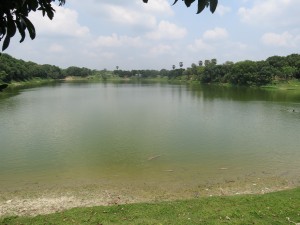
There is a very big Dighi known as Galakata Dighi. This place becomes very calm and relaxed in evening by the whining of birds. Many people come here to chill. This Dighi is filled with natural beauty.
[This spot needs more detail. If you have more information and photos, please be advised to add in our website. Your name will be published as a Content Contributor]
{:}{:bn}
১৬শ শতকে নির্মিত গলাকাটা মসজিদটির বিশেষত্ব হল এটির বিশালাকৃতি। প্রায় ১৫০ ফুট উঁচু এই মসজিদটি অত্যন্ত যত্নের সাথে নির্মাণ করা হয় এমন একটি সময়ে যখন প্রযুক্তিগত দিক দিয়ে এই অঞ্চলের মানুষ পিছিয়ে ছিল। মসজিদের সিঁড়িগুলো ইটের তৈরি ছিল। তবে, বর্তমানে মসজিদটিকে সামান্য আলাদা দেখায়। মসজিদটিতে বিভিন্ন রঙ ব্যবহার করা হলেও লাল এবং সাদা রঙের প্রাধান্য চোখে পড়ে। গলাকাটা মসজিদের নামাজ আদায় করার স্থানটি বেশ বিশালাকারের।
এখানে গলাকাটা দীঘি নামে একটি বিশাল দীঘি রয়েছে। বিকালবেলা পাখিদের কিচিরমিচিরে দীঘির পাড়ে এক প্রশান্তিকর পরিবেশের সৃষ্টি হয়। প্রাকৃতিক সৌন্দর্যে ভরপুর এই দীঘিতে অনেকেই আসেন প্রশান্তি অর্জনের জন্য। দীঘিতে ভ্রমনের জন্য এবং এটির সৌন্দর্য উপভোগের জন্য এখানে বিভিন্ন আকারের নৌকা রয়েছে। এখানে আসলে আপনি বিশাল প্রকৃতিকে দেখে মুগ্ধ না হয়ে পারবেন না। প্রকৃতিকে দেখার পাশাপাশি আপনি দীঘিতে গোসলও করতে পারবেন।
{:}
)
[3] => Array
(
[name] => {:en}Bibi Begni Mosque{:}{:bn}বিবি বেগনীর মসজিদ{:}
[post_id] => 6467
[post_link] => http://offroadbangladesh.com/places/bibi-begni-mosque/
[thumb_link] => http://offroadbangladesh.com/wp-content/uploads/2015/04/Bibi-Begni-Mosque-bagerhat-011-300x225.jpg
[post_content] => {:en}
Bibi Begni Mosque (বিবি বেগনীর মসজিদ) is located at the western side of the famous Shat Gombuj Mosque of Bagerhat. The department of archaeology has renovated the mosque thoroughly, but couldn't restore the vicinity area that is occupied by the local villagers these days. Bibi Begni Mosque is yet another traditional singled dome mosque from Bangladesh. The original history behind the mosque is unknown. Some people believe that Bibi Begni was one of the wives of Khan Jahan Ali, and some believe that she was a concubine (a mistress) of him. And also, they doubt whether it is really a mosque or a grave. Some scholars represent this type of edifice as a funerary mosque.
This is a single dome mosque having entrances at the three sides other than West. At the Eastern side of the mosque it has three gates, whereas the middle one is larger. And at Northern and Southern side of the wall it has single door each. These days only the door from Northern side remains open to enter inside. The dome atop of the mosque is having a regular shape of other contemporary mosques (of 15th century). The area around the mosque is occupied by the villagers and only a few portion remained around it. It is probably not a good idea to preserve antiquity in such a way. Government should free some spaces from around so that visitors can move around the mosque freely.
{:}{:bn}
বাগেরহাটের বিখ্যাত ষাট গম্বুজ মসজিদের পশ্চিম দিকে বিবি বেগনীর মসজিদটি অবস্থিত। প্রত্নতত্ত্ব অধিদফতর মসজিদটির ব্যাপক মেরামতের কাজ করলেও স্থানীয়দের দখল করা মসজিদের এলাকা উদ্ধার করতে পারেনি। তারপরও বিবি বেগনীর মসজিদ বাংলাদেশের ঐতিহ্যবাহী একটি একগম্বুজ বিশিষ্ট মসজিদ। মসজিদের প্রকৃত ইতিহাস জানা না গেলেও স্থানীয়রা মনে করেন বিবি বেগনী ছিলেন খান জাহান আলীর একজন স্ত্রী আবার অনেকে মনে করেন তিনি ছিলেন খান জাহান আলীর একজন দাসী। এছাড়া এটি প্রকৃতপক্ষে একটি মসজিদ নাকি কবর এ ব্যাপারেও সন্দেহ রয়েছে। কোন কোন ইতিহাসবিদ এ জাতীয় স্থাপনাকে মাজার ভিত্তিক মসজিদ হিসেবে গণ্য করে থাকে।
একগম্বুজ বিশিষ্ট এই মসজিদের পশ্চিম দিক ব্যাতিত অন্য তিন দিকেই প্রবেশের ফটক রয়েছে। মসজিদের পূর্বদিকের তিনটি ফটকের মধ্যে মাঝেরটি বড়। এছাড়া এই মসজিদে উত্তর এবং দক্ষিন দিকের দেয়ালে একটি করে ফটক রয়েছে। তবে আজকাল শুধুমাত্র মসজিদের উত্তর দিকের ফটকটি মসজিদে প্রবেশের জন্য উন্মুক্ত রাখা হয়। বিবি বেগনীর মসজিদের গম্বুজটির আকার সমসাময়িক (১৫শ শতকের) অন্যান্য মসজিদের গম্বুজের মতই। মসজিদের আশেপাশের বেশীরভাগ এলাকাই গ্রামবাসীরা দখল করে নিয়েছে আর এভাবে মসজিদের প্রাচীনতা ধরে রাখা কঠিন। সরকারের উচিত মসজিদের আশেপাশের জায়গা দখলমুক্ত করা যাতে করে পর্যটকরা মসজিদের আশেপাশে ঘুরে বেড়াতে পারে।
{:}
)
)