Array
(
[0] => Array
(
[name] => Bardhan Kuthi
[post_id] => 4413
[post_link] => http://offroadbangladesh.com/places/bardhan-kuthi/
[thumb_link] => http://offroadbangladesh.com/wp-content/uploads/2015/03/DSC08632-300x225.jpg
[post_content] =>
Bardhan Kuthi (বর্ধন কুঠি) is one of the historical places of Gaibandha district. It is situated near the Gobindaganj Upazila of Gaibandha. During the reign of British East-India company Raja Harinath (রাজা হরিনাথ) ruled the Bardhan Kuthi. During the separation of Indian subcontinent the last Ruler of Bardhan kuthi Raja Shoilesh Chandra (রাজা শৈলেশ চন্দ্র) Migrated to India from Bangladesh.
Due to the establishment of Gobindaganj college in this place, We can only observe the relics of Bardhan Kuthi. But it demands more research and discussion, By which we can discover the continuation of distinguish dynasty in Bardhan Kuthi. We may also reveal the valuable information of contemporary Zamindar’s and their lifestyle as well.
Sanjib Roy, grandson of Raja Shoilesh Chandra (রাজা শৈলেশ চন্দ্র), and his family are residing in the following address:
32-Keota Latbagan
Post Office:- Sahaganj
District :-Hooghly
West Bengal
India-712104
To know the original historical Scripture of Bardhan Kuthi,
Click Here
)
[1] => Array
(
[name] => Central Shaheed Minar
[post_id] => 5650
[post_link] => http://offroadbangladesh.com/places/central-shaheed-minar/
[thumb_link] => http://offroadbangladesh.com/wp-content/uploads/2015/03/Shaheed_minar_Photo-taken-by-Karl-Ernst-Roehl1-300x225.jpg
[post_content] =>
Central Shaheed Minar is the national monument of Bangladesh. It is located near Dhaka Medical College Hospital and in the Dhaka University area. It is a Historical place, on February 21, 1952, dozens of students and political activists were killed when the Pakistani police force opened fire on Bengali protesters who were demanding equal status to their native tongue, Bangla. Every year on February 21 many people come here to show respect as well as all year round. The Shaheed Minar was designed and built by Hamidur Rahman, a Bangladeshi sculptor.
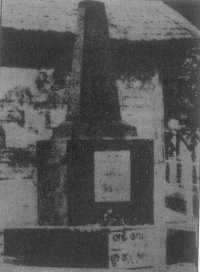 The first Shaheed Minar was built immediately after the events of February 21, 1952. According to the main planner and the designer of the first Shaheed Minar, the decision to build it was first made by the students of Dhaka Medical College. Shaheed Minar is situated near Dhaka Medical College Hospital and in the Dhaka University area. It is adjacent to the Mathematics department of Dhaka University. It is only 0.5 kilometers (0.3 mi) away from Shahbag and 0.25 km (0.16 mi) distant from Chankharpul. Shaheed Minar is an outstanding monument of Bangladesh. It was built to tribute the martyrs who given up their life for language. The main incident had been occurring inside of Dhaka medical college hospital. So a decision was taken to build a memorial adjacent to DMCH. The planning started at midnight on February 22, and the work started the next day. This Minar was sponsored by Pearu Sardar, one of the old Dhaka panchayet sardars, when some of the students asked his help at midnight of 22 February, to contribute the raw materials needed to build the monument. Although curfew was in place, students started building the Minar in the afternoon of February 23. They worked through the night and finished it at dawn. A hand written paper was attached to the Minar with "Shaheed Smritistombho" written on it. The original Minar measured 10 by 6 feet (3.0 m × 1.8 m).
The Minar was inaugurated by the father of Sofiur Rahman, killed during the massacre. It was demolished within a few days by the police and Pakistani Army. Smaller versions of the memorial were built in other places of the country. Two years after the first monument was destroyed by the police, a new Shaheed Minar (Monument of Martyrs) was constructed in 1954 to commemorate the protesters who lost their lives. This Minar (monument) was inaugurated by Natyaguru Nurul Momen. Work on a larger monument designed by the architect Hamidur Rahman began in 1957 with the support of the United Front ministry.
)
[2] => Array
(
[name] => Pal Bari
[post_id] => 8538
[post_link] => http://offroadbangladesh.com/places/pal-bari/
[thumb_link] => http://offroadbangladesh.com/wp-content/uploads/2015/05/PB-2-300x225.jpg
[post_content] =>
Pal Bari (পাল বাড়ি) is one of the renowned historical places in Munshiganj. According to the current inhabitants of the Pal House at Abdullahpur, Kamini Pal and Dwarkanath Pal, the eldest two sons of Tokani Prasad Pal, possibly one of the richest business persons of Bikrampur, established this house around the end of the 19th century.
They added a few more blocks to the house over the years, but lived within the compounds of their father's house, several miles away.
During the liberation war, many of their family members were brutally tortured and killed, prompting the entire clan to leave for Kolkata,India. A few years later Dwarkanath returned, to wind up his businesses here. Dwarkanath Pal, therefore chose to spend his last few years at this house. He decided to stay back in Munshiganj, but could not live in his own house. Many others had occupied most of that property.
)
[3] => Array
(
[name] => {:en}Jagaddal Vihara{:}{:bn}জগদ্দল বিহার{:}
[post_id] => 3652
[post_link] => http://offroadbangladesh.com/places/jogoddol-vihara/
[thumb_link] => http://offroadbangladesh.com/wp-content/uploads/2015/02/Jogoddol-Bihar-Naogaon-01-300x225.jpg
[post_content] => {:en}
Jagaddal Vihara is located approximately 55km away from Noagaon Zilla sadar. It is a very ancient site. Locals call it as remnants of Bot Krishna Zamider Bari. Jagaddala Mahavihara was a Buddhist monastery founded by the later kings of the Pala dynasty, possibly Rampala (1077-1120), most likely at a site near the present village of Jagaddal in Dhamurhat Upazila in the north-west Bangladesh on the border of India, near Paharpur. Jagaddala Mahavihara (fl. late 11th century - mid-12th century) was a Buddhist monastery and seat of learning in Varendra, a geographical unit in present north Bengal. It was founded by the later kings of the Pāla dynasty, probably Ramapala (c. 1077-1120), most likely at a site near the present village of Jagdal in Dhamoirhat Upazila in the north-west Bangladesh on the border with India, near Paharapur. Some texts also spell the name Jaggadala.
A large number of monasteries or viharas were established in ancient Bengal and Magadha during the four centuries of Pala rule in North-eastern India (756-1174 AD).Dharmapala (781-821) is said to have founded 50 viharas himself, including Vikramashila, the premier university of the era. Jaggadala was founded toward the end of the Pāla dynasty, most likely by Rāmapāla (c. 1077-1120). According to Tibetan sources, five great Mahaviharas stood out: Vikramashila; Nalanda, past its prime but still illustrious, Somapura, Odantapurā, and Jagaddala. The five monasteries formed a network; "all of them were under state supervision" and their existed "a system of co-ordination among them ... it seems from the evidence that the different seats of Buddhist learning that functioned in eastern India under the Pāla were regarded together as forming a network, an interlinked group of institutions," and it was common for great scholars to move easily from position to position among them.
Jagaddala specialized in Vajrayana Buddhism. A large number of texts that would later appear in the Kanjur and Tengjur were known to have been composed or copied at Jagadala. It is likely that the earliest dated anthology of Sanskrit verse, the Subhāṣitaratnakoṣa, was compiled by Vidyākara at Jaggadala toward the end of the 11th century or the beginning of the 12th.
{:}{:bn}
জগদ্দল বিহার নওগাঁ জেলা সদর থেকে প্রায় ৫৫ কিলোমিটার দূরে অবস্থিত একটি প্রাচীন স্থান। স্থানীয়রা এটিকে বটকৃষ্ণ জমিদার বাড়িও বলে থাকে এবং জায়গাটিকে জজ্ঞদল হিসেবেও বলা হয়ে থাকে। বর্তমান উত্তরবঙ্গের বরেন্দ্রতে (১১শ শতাব্দীর শেষ থেকে ১২শ শতাব্দীর মধ্যে) এটি ছিল একটি বৌদ্ধ বিহার এবং শিক্ষাদান কেন্দ্র। পাল রাজবংশের রাজা সম্ভবত রামপাল (১০৭৭-১১২০) পাল শাসনামলের শেষার্ধে এটি প্রতিষ্ঠা করেন উত্তরপশ্চিম বাংলাদেশে অবস্থিত ধামরিহাট উপজেলার জাগদাল গ্রামে যে জায়গাটি ভারত সীমান্তবর্তী এবং পাহাড়পুরের নিকটে অবস্থিত।
উত্তর-পূর্ব ভারতে পাল শাসনামলের চার শতকে (খ্রিস্টপূর্ব ৭৫৬-১১৭৪) প্রাচীন বাংলা এবং মাগাধাতে অনেক বিহার প্রতিষ্ঠা করা হয়। ধর্মপাল (৭৮১-৮২১) একাই ৫০টি বিহার প্রতিষ্ঠা করেন যার মধ্যে ছিল সে সময়ের প্রধান বিশ্ববিদ্যালয় বিক্রমশীলা। তিব্বতের সূত্র অনুযায়ী পাঁচটি শ্রেষ্ঠ মহাবিহার ছিলঃ বিক্রমশীলা ছিল সেই যুগের প্রধান বিশ্ববিদ্যালয়; নালান্দা; সোমপুর মহাবিহার; অদন্তপুর এবং জাজ্ঞাদলা। পাল আমলে পূর্ব ভারতে শিক্ষাদানকারী সবগুলো বৌদ্ধবিহার রাষ্ট্রের তত্ত্বাবধানে ছিল এবং বৌদ্ধবিহারগুলো একটি নেটওয়ার্ক তৈরি করেছিল এবং বিহারগুলোর মধ্যে সমন্বয় ছিল এতে করে মহান মনিষীদের জন্য বৌদ্ধবিহারগুলোর মধ্যে অবস্থান বদলানো সহজ হত।
বজ্রানা বৌদ্ধশাস্ত্রে বিশেষায়িত ছিল জগদ্দল। পরবর্তীকালে জানা যায় যে কানজুর এবং তেংজুরে উল্লেখিত প্রচুর অক্ষর এই জগদ্দলেই গঠন করা হয়েছিল। সম্ভবত সাংস্কত ভাষার প্রাচীনতম সংকলন সুভাসিতারত্নকোষ জগদ্দলেই ১১শ শতাব্দীর শেষের দিকে অথবা ১২শ শতাব্দীর শুরুতে গঠন করা হয়।
{:}
)
)


