Brief
Rayer Bazaar is a well-known thoroughfare in Dhaka, the capital city of Bangladesh. It is generally regarded as one of the historical areas of the city. Rayer Bazaar was founded during the colonial period most probably in the 19th century. It was the potters who first started to live here beside the Turag River. This Place was most probably named after someone titled Ray. It was easy to find the clay used to make pots in this area and spread it around by boats as it was situated near the river.
During the Mughal period, this place was famous for pottery and most of the potters of this region used to live in Rayer Bazar, because the famous “lal mati” was available in this place. During the Mughal and British Colonial period, the red clay was not available in the neighborhoods. As a result, the Potters of Rayer Bazar have a long tradition of working with this red clay. According to Dr. Wise, this place was known as “Kumartoli” during the Mughal period.
Rayer Bazar will remain in our memories, in our history for another reason. In the night of 14 December 1971, many of Bangladesh’s intellectuals including professors, journalists, doctors, artists, engineers, and writers were rounded up in Dhaka. They were taken blindfolded to torture cells in Mirpur, Mohammadpur, Nakhalpara, Rajarbagh and other locations in different sections of the city. Later on, they were executed and thrown out in the swamps, at Rayerbazar.
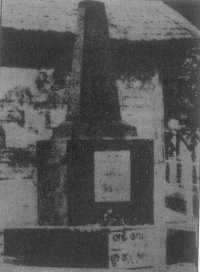
In memory of the martyred intellectuals of 1971, a Memorial is created in there. The ‘Al-Badr’ and ‘Al-Shams’ Group helped the West Pakistan Army to locate the intellectuals and slaughtered them and many other innocent peoples at night. After the massacre they brought the corpses and left them into the swamps of Rayer Bazaar. After the Liberation War, the people of Dhaka found out that all the dead bodies of many great intellectuals and innocent people are piled up in here.” Martyred Intellectuals Memorial is the memorial built for the memory of the martyred intellectuals of 1971. The memorial is built in the Boddhobhumi at Rayer Bazaar.
Where to Stay
There are more than 71 quality hotel in Dhaka. Some are listed below…
1. Pan Pacific Sonargaon Hotel, Dhaka
107 , Kazi Nazrul Islam Avenue
Dhaka, Bangladesh
Tel: +880 2 811 1005
Website : Pan Pacific Sonargaon Hotel, Dhaka
2. Ruposhi Bangla Hotel
1 Minto Road, Shahbagh, Dhaka,
Bangladesh.
Phone : 88-02-8330001
Fax : 88-02-8312975
Email : sales@ruposhibanglahotel.com
Website : Ruposhi Bangla Hotel
3. Radisson Water Garden Hotel, Dhaka
Airport Road, Dhaka Cantonment,
Dhaka 1206 Bangladesh.
Telephone: + 88 02 8754555
Fax: + 88 02 8754554 , + 88 02 8754504
Email : reservations.dhaka[at]radisson.com
Website : Radisson Water Garden Hotel
Dhaka Bangladesh
4. Dhaka Regency Hotel & Resort
Airport Road, Nikunja 2
Dhaka 1229, Bangladesh.
Phone : +88-02-8913912, +880 2 8900250-9
Fax : +88-02-8911479
Email : info@dhakaregency.com
Website : www.dhakaregency.com
5. Best Western La Vinci Hotel, Dhaka
54, Kawran Bazar,
Dhaka-1215, Bangladesh
Phone No : 880-2-9119352
Fax No : 880-2-9131218
E-mail : lavinci[at]bol-online.com ,
reservation[at]lavincihotel.com
Web : www.lavincihotel.com
6. The Westin Hotel
Main Gulshan Avenue,
Plot-01, Road 45, Gulshan-2
Dhaka-1212, Bangladesh
Phone : 88-02-9891988
7. Royal Park Residence Hotel
House no. 85, Road no. 25A
Block – A, Banani,
Dhaka 1213 Bangladesh.
Telephone: + 88 02 8815945/46
Fax: + 88 02 8815299
Email : hotelinfo[at]royalparkbd.com
Website : Royal Park Residence Hotel
8. Bengal Inn
House # 07, Road # 16,
Gulshan – 01
Dhaka 1212 Bangladesh.
Tel: +880 2 98880236, 9880610
Fax: +880 2 9880274
Email : info[at]bengalinn.com
Website : www.bengalinn.com
9. Hotel Sarina Dhaka
Plot #27, Road #17
Banani C/A,
Dhaka 1213 Bangladesh.
Tel: +880 2 8859604 -10, 8851040 -2, 8851011-4
Fax: +880 2 988-9989
Email : sales[at]sarinahotel.com, reservations[at]sarinahotel.com
Website : www.sarinahotel.com
Array
(
[0] => Array
(
[name] => Central Shaheed Minar
[post_id] => 5650
[post_link] => http://offroadbangladesh.com/places/central-shaheed-minar/
[thumb_link] => http://offroadbangladesh.com/wp-content/uploads/2015/03/Shaheed_minar_Photo-taken-by-Karl-Ernst-Roehl1-300x225.jpg
[post_content] =>
Central Shaheed Minar is the national monument of Bangladesh. It is located near Dhaka Medical College Hospital and in the Dhaka University area. It is a Historical place, on February 21, 1952, dozens of students and political activists were killed when the Pakistani police force opened fire on Bengali protesters who were demanding equal status to their native tongue, Bangla. Every year on February 21 many people come here to show respect as well as all year round. The Shaheed Minar was designed and built by Hamidur Rahman, a Bangladeshi sculptor.
The first Shaheed Minar was built immediately after the events of February 21, 1952. According to the main planner and the designer of the first Shaheed Minar, the decision to build it was first made by the students of Dhaka Medical College. Shaheed Minar is situated near Dhaka Medical College Hospital and in the Dhaka University area. It is adjacent to the Mathematics department of Dhaka University. It is only 0.5 kilometers (0.3 mi) away from Shahbag and 0.25 km (0.16 mi) distant from Chankharpul. Shaheed Minar is an outstanding monument of Bangladesh. It was built to tribute the martyrs who given up their life for language. The main incident had been occurring inside of Dhaka medical college hospital. So a decision was taken to build a memorial adjacent to DMCH. The planning started at midnight on February 22, and the work started the next day. This Minar was sponsored by Pearu Sardar, one of the old Dhaka panchayet sardars, when some of the students asked his help at midnight of 22 February, to contribute the raw materials needed to build the monument. Although curfew was in place, students started building the Minar in the afternoon of February 23. They worked through the night and finished it at dawn. A hand written paper was attached to the Minar with "Shaheed Smritistombho" written on it. The original Minar measured 10 by 6 feet (3.0 m × 1.8 m).
The Minar was inaugurated by the father of Sofiur Rahman, killed during the massacre. It was demolished within a few days by the police and Pakistani Army. Smaller versions of the memorial were built in other places of the country. Two years after the first monument was destroyed by the police, a new Shaheed Minar (Monument of Martyrs) was constructed in 1954 to commemorate the protesters who lost their lives. This Minar (monument) was inaugurated by Natyaguru Nurul Momen. Work on a larger monument designed by the architect Hamidur Rahman began in 1957 with the support of the United Front ministry.
)
[1] => Array
(
[name] => National Martyrs Memorial
[post_id] => 5659
[post_link] => http://offroadbangladesh.com/places/national-martyrs-memorial/
[thumb_link] => http://offroadbangladesh.com/wp-content/uploads/2015/03/National-Martyrs-Memorial2-300x240.jpg
[post_content] =>
Jatiyo Sriti Shoudho (জাতীয় স্মৃতি সৌধ) or National Martyrs Memorial is the national monument of Bangladesh is the symbol in the memory of the velour and the sacrifice of all those who gave their lives in the Bangladesh Liberation War of 1971, which brought independence and separated Bangladesh from Pakistan.
National Martyrs Memorial is situated in Nabinagar, Savar approximately 35 km from Dhaka. The memorial designed by architect Moinul Hossain is dedicated to the sacred memory of the millions of unknown martyrs of the war of liberation. This Martyrs Memorial is a symbol of Bengali nationalism. It is really a scenic beauty of 108 acre of land. The top of this monument is 150 ft. high, which consists other 07 triangular monuments.
)
[2] => Array
(
[name] => {:en}Memorial of Birshreshtho Hamidur Rahman{:}{:bn}বীরশ্রেষ্ঠ হামিদুর রহমান স্মৃতিসৌধ{:}
[post_id] => 4048
[post_link] => http://offroadbangladesh.com/places/memorial-of-birshreshtho-hamidur-rahman/
[thumb_link] => http://offroadbangladesh.com/wp-content/uploads/2015/02/Memorial-of-Biresreata-Hamidur-Rahman-300x225.jpg
[post_content] => {:en}
Hamidur Rahman (Bengali: হামিদুর রহমান), (2 February 1953 - 28 October 1971), better known as Shaheed Sepoy Hamidur Rahman, was a Sepoy in Bangladesh Army during the Bangladesh Liberation War. Hamidur Rahman was killed on October 28, 1971 at Dhalai, Sylhet during an attempt to capture the Pakistani Army's position. The advancing Mukti Bahini column finally captured the Dhalai Border Outpost due in large part to his efforts. He was posthumously awarded the Bir Sreshtho, the highest recognition of bravery of Bangladesh.
Memorial was established with a view to protect the memories of Birshreshtho Hamidur Rahman. You should visit this place to pay respect to him for his great contribution in the birth of our beloved motherland. On 28th October, 1971 he died as a martyr in the battlefield at ‘Dholoi’. Hamidur Rahman was honored with the highest designation of Bangladesh – “Bir Sreshtha” for his bravery and sacrifice in the 1971 liberation war. This memorial is built as a reminiscent of this great freedom fighter.
{:}{:bn}বীরশ্রেষ্ঠ হামিদুর রহমান স্মৃতিসৌধ সিলেট বিভাগের মৌলভীবাজার জেলার শ্রীমঙ্গল উপজেলায় অবস্থিত। শহীদ সিপাহী হামিদুর রহমান নামে অধিক পরিচিত হামিদুর রহমান (২ ফেব্রুয়ারি ১৯৫৩-২৮ অক্টোবর ১৯৭১) ছিলেন বাংলাদেশ সেনাবাহিনীর একজন সিপাহী। বাংলাদেশের মুক্তিযুদ্ধ চলাকালে হামিদুর রহমান ১৯৭১ সালের ২৮ অক্টোবর পাকিস্তান সেনাবাহিনীর পরিখা দখল করতে গিয়ে শাহাদতবরন করেন। তাঁর আত্মত্যাগের ফলে মুক্তিবাহিনী কয়েকদিনের প্রচণ্ড লড়াইয়ের পর ধলই সীমান্ত ফাঁড়ি দখল করতে সমর্থ হয়। অসম সাহসিকতার জন্য হামিদুর রহমানকে মরণোত্তর বীরশ্রেষ্ঠ খেতাবে ভূষিত করা হয়।
বীরশ্রেষ্ঠ হামিদুর রহমানের স্মৃতি রক্ষার্থে এই স্মৃতিসৌধটি নির্মাণ করা হয়। আপনি এখানে গিয়ে এই বীরের প্রতি শ্রদ্ধা জানাতে পারেন এবং বাংলাদেশের অভ্যুদয়ের ক্ষেত্রে তাঁর অবদানকে শ্রদ্ধার সাথে স্মরণ করতে পারেন।{:}
)
[3] => Array
(
[name] => Shaheed Sagor
[post_id] => 3726
[post_link] => http://offroadbangladesh.com/places/shaheed-sagor/
[thumb_link] => http://offroadbangladesh.com/wp-content/uploads/2015/02/Shaheed-sagar-by-geo-location-300x224.jpg
[post_content] =>
At the North Bengal Sugar Mills Ltd. at Gopalpur in Natore district, about one hundred innocent people, officers, laborers, staffs and others of the mills, were killed on the staircase of a pond in the main mill premises by machine gun burst-fire on May 5, 1971 by the beastly Pakistani soldiers. This holy pond is now called “Shaheed Sagar” by the local people.
On 1971 30th March in Lalpur Upazila, 4km to north of Gopalpur in Moynapur Village there was a war of Khan Senas. Next day when Major Reza Khan planned to escape he was shot by the public. In order to prevent Pakistani army for landing on the airport the local people demanding freedom broke the runway and maid the Iswardi Airport inactive. There was a horrendous condition in the town yet for the sake of sugar cane cultivators, each people were assigned individual responsibilities in the mills. In May 5 1971 despite the surrounding conditions Mill was active.
Then suddenly a group of Pakistani soldiers with the help of some Rajakaars entered the mill. The brush fired and killed the administrator Lt. Anwarul Azim and other employees of the mill. After killing them they left all the dead bodies in the pond. After Liberation this pond was named as Sagor Dighi. In 1973 in memory of Lt. Anwarul Azim Gopalpur railway station was named as Azimpur Station.
)
)