Array
(
[0] => Array
(
[name] => Dayarampur Rajbari
[post_id] => 17288
[post_link] => http://offroadbangladesh.com/places/dayarampur-rajbari-2/
[thumb_link] => http://offroadbangladesh.com/wp-content/uploads/2015/08/Dayarampur-Rajbari18-300x225.jpg
[post_content] =>
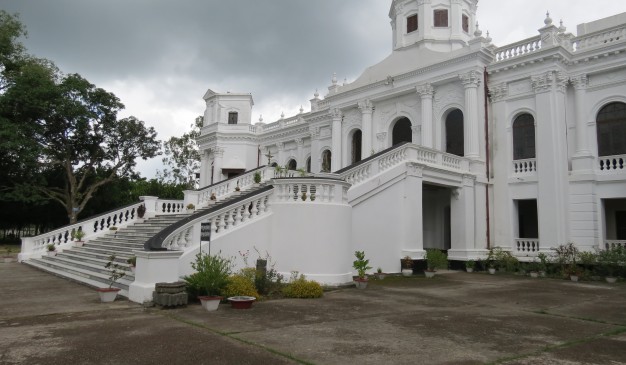
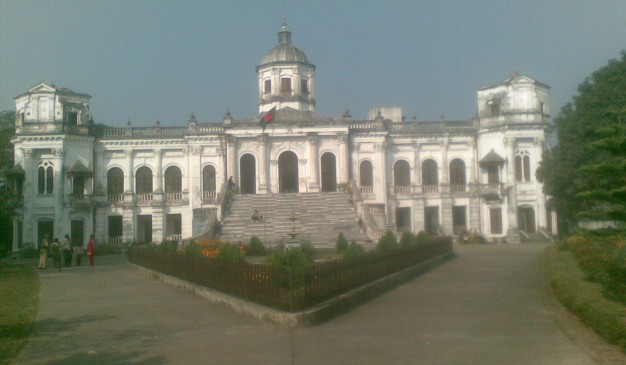
Dayarampur Rajbari (দয়ারামপুর রাজবাড়ি) is located in Bagatipara Upazila, inside of the Qadirabad Cantonment under the administration of Bangladesh Army. After taking the oath of the Zamindari, Pramadanath (প্রমদানাথ) Roy (1873-1925), the elder son of then Dighapatia King Promothonath (প্রমথনাথ) Roy (1849-1883), established the Junior Raj Dayarampur Estate in a place named Nondikuza (নন্দীকুজা) on the bank of river Boral and built this Rajbari for his three younger brothers. They are Kumar Bosontokumar Roy (1874-1925), Kumar Sharatkumar Roy (1876-1946) and Kumar Hemendrakumar Roy (1877-1943).
This place was named after Dayaram (দয়ারাম) Roy (1680-1760), the great efficient Dewan of Queen Bhabani (1716-1795) of Natore and the establisher of Dighapatia Royal Family. After the death of Kumar Bosontokumar Roy, Kumar Sharatkumar Roy took the responsibility of the whole Dayarampur Estate and stayed this palace till death. After the eradication of Zamindar dominion, they went to India.
Source: History of Natore, by Samar Pal
)
[1] => Array
(
[name] => Muktagacha Zamindar House
[post_id] => 22170
[post_link] => http://offroadbangladesh.com/places/muktagacha-zamindar-house/
[thumb_link] => http://offroadbangladesh.com/wp-content/uploads/2015/10/Muktagacha-Zamindar-House-14-300x169.jpg
[post_content] =>
Mymensingh city is one of the old cities in Bangladesh. Historically & archaeologically it is very important from tourism point of views. Once a traveler wants to travel in this district, he/she will find several places to visit. Muktagacha Zamindar House (মুক্তাগাছা জমিদার বাড়ী) is one of those.
This old palace is located at the heart of the Muktagacha(মুক্তাগাছা) Upazila, 16km west to the Sadar Upazila. Previously the name of Muktagacha was Binodbari (বিনোদবাড়ী). It is believed that the Zamindars actually came from the Natore (নাটোর) or Bogra (বগুড়া) of our North Bengal. When the first ruler named Srikrishna Acharya (শ্রীকৃষ্ণ আচার্য) arrived here, a local inhabitant named Muktaram Kormokar (মুক্তারাম কর্মকার) welcomed them with a large lamp stand that was made from brass. In that portion of our country, people call a lamp stand as Gachha (গাছা)). This gratitude pleased the Zamindar and they have renamed the area as Muktagacha (মুক্তা গাছা) using that inhabitant's name and the lamp stand's local name.
Srikrishna Acharya (শ্রীকৃষ্ণ আচার্য) established the Zamindari at Muktagacha formerly known as Binodbari. Later, his four sons Ram Ram, Hore Ram (হরে রাম), Bishnu (বিষ্ণু), Shibram (শিবরাম)and their inheritor conducted the Zamindari. The Owner of the Muktagacha Rajabari was Jogot Kishor Acarya (জগত কিশোর আচার্য), the son of Hore Ram Acharya (হরে রাম আচার্য). His ancestors started to build that Palace in the year 1750-60 which signifies that the structure is almost 300 yrs old.
However, this old house from Muktagacha covers a vast area, though most of the structures are in very poor condition. Few things were stolen by the locals, and others are just dilapidated for not taking any care. We observed two storied iron & steel made house (though floors are all gone, only structure is standing there).
Most of the rulers from this family were cruel and hostile to the peasants. They have lot of allegations against them including raping, torturing, etc. It was considered as a crime whenever a peasant from that area use to cross the Zamindar House using any shoe or umbrella. Guards use to beat them whenever someone committed such crime.
)
[2] => Array
(
[name] => {:en}Soigaon Zamindar Bari{:}{:bn}ছয়গাঁও জমিদারবাড়ি{:}
[post_id] => 6404
[post_link] => http://offroadbangladesh.com/places/soigau-jomider-bari-%e0%a6%9b%e0%a7%9f%e0%a6%97%e0%a6%be%e0%a6%81%e0%a6%93-%e0%a6%9c%e0%a6%ae%e0%a6%bf%e0%a6%a6%e0%a6%be%e0%a6%b0-%e0%a6%ac%e0%a6%be%e0%a7%9c%e0%a7%80/
[thumb_link] => http://offroadbangladesh.com/wp-content/uploads/2015/04/Soigau-Jomider-Bari-11-300x210.jpg
[post_content] => {:en}
Soigaon is the famous place in Shariatpur. Soigaon Zamindar Bari stands at Soigaon Union in Bhedarganj Upazila. In the time of ‘British Ruling' there was some famous leader who took part in the Independent War of India. In the time of 1930-1934 there was some British Camp.
[This spot needs more detail. If you have more information and photos, please be advised to add in our website. Your name will be published as a Content Contributor]
{:}{:bn}
শরীয়তপুরের একটি নামকরা স্থান হল ছয়গাঁও। ভারতের স্বাধীনতা আন্দোলনে অংশ নেওয়া কয়েকজন প্রখ্যাত নেতা এখানে বাস করতেন। এছাড়া ১৯৩০ সাল থেকে ১৯৩৪ সাল পর্যন্ত এখানে ইংরেজ সেনাদের ঘাঁটি ছিল। এখানে আসতে হলে আপনাকে প্রথম শরীয়তপুর জেলায় পৌছাতে হবে। সেখান থেকে ভেদরগঞ্জ উপজেলার ছয়গাঁও ইউনিয়নে পৌছাতে হবে।
{:}
)
[3] => Array
(
[name] => {:en}Jainta Rajbari{:}{:bn}জৈন্তা রাজবাড়ি{:}
[post_id] => 4328
[post_link] => http://offroadbangladesh.com/places/jainta-rajbari/
[thumb_link] => http://offroadbangladesh.com/wp-content/uploads/2015/03/Jainta-rajbari-alimabdul202-300x225.jpg
[post_content] => {:en}
The Jainta Rajbari and Kingdom extended from the east of the Shillong Plateau of present-day Meghalaya in north-east India, into the plains to the south, and north to the Barak River valley in Assam, India. It was annexed by the British East India Company in 1835.
The capital, Jaintiapur, now ruined, was located on the plains at the foot of the Jaintia Hills; it appears there may have been a summer capital at Nartiang in the Jaintia Hills, but little remains of it now apart from a Durga temple and a nearby site with many megalithic structures. Much of what is today the Sylhet region of Bangladesh was at one time under the jurisdiction of the Jaintia king.
The origin of the Jaintia kingdom is unknown, but the Jaintia people share a megalithic culture with the related Khasi people on the Shillong plateau which is of uncertain age, but their common oral history claims that they settled the region in the distant past. After the 17th century invasion by the Kachari king Satrudaman, the Jaintia kingdom came under increasing Kachari and Ahom political influence.
The British came into contact with the Jaintia kingdom upon receiving the Diwani of Bengal in 1765 (Gurdon 1914:xiv). Jaintiapur, currently in Bangladesh, was the capital. The kingdom extended from the hills into the plains north of the Barak River (Gait 1906:253). The quarries in their possession was the chief supplier of lime to the delta region of Bengal, but with the British, the contact was not very smooth, and they were attacked in 1774. Subsequently, the Jaintias were increasingly isolated from the plains via a system of forts as well as via a regulation of 1799 (Gurdon 1914:xiv-xv).
After the conclusion of the First Anglo-Burmese War, the British allowed the Jaintia king his rule north of the Surma River (Gait 1906:284). The kingdom was finally annexed on March 15, 1835 (Gait 1906:302). The king was handed over his property in Sylhet along with a monthly salary of Rs 500. The British administered the plain areas directly and the hill region indirectly via a system of fifteen dolois and four sardars. The fifteen administrators were free to adjudicate on all but the most heinous crimes.
The capital of Jainta Kingdom was in Jaintapur. It was the palace of Kings of Jainta. It is close to Jainta Bazar. Though the palace is damaged but tourist visit there for witnessing the history of Kings of Jainta. Jaintiapur is only 5 km from Jaflong, a scenic spot amidst tea gardens.
{:}{:bn}
জৈন্তা রাজ্য বিস্তৃত ছিল উত্তরপূর্ব ভারতের শিলং মালভূমির (বর্তমান মেঘালয়) পূর্বপ্রান্ত থেকে আসামের বারাক নদীর উপত্যকার দক্ষিন ও উত্তরপ্রান্ত পর্যন্ত। ইংরেজ ইস্ট ইন্ডিয়া কোম্পানি ১৮৩৫ সালে এই রাজ্যটি দখল করে নেয়। বর্তমানে ধ্বংসপ্রাপ্ত এই রাজ্যের রাজধানী জৈন্তিয়াপুরের অবস্থান ছিল জৈন্তা পাহাড়ের পাদদেশে। ধারনা করা হয়ে থাকে যে জৈন্তা পাহাড়ের নারটিয়াং এ ছিল এই রাজ্যের গ্রীষ্মকালীন রাজধানী। তবে এখানে একটি দুর্গা মন্দির এবং কিছু মধ্যযুগীয় স্থাপনা ছাড়া আর কিছুই অবশিষ্ট নেই। বর্তমান বাংলাদেশের সিলেট অঞ্চলের বেশীরভাগ এলাকাই একসময় জৈন্তা রাজার অধীনে ছিল।
জৈন্তা রাজ্যের উৎপত্তি সম্পর্কে জানা না গেলেও এখানকার মানুষেরা শিলং মালভূমির খাসিয়া সম্প্রদায়ের মানুষদের সাথে মধ্যযুগীয় সংস্কৃতি পালন করত। তবে, ইতিহাস ঘেঁটে জানা যায় যে এসব মানুষেরা এই অঞ্চলে অনেক আগেই বসত গড়েছিল। ১৭শ শতাব্দীর পর কাচারির রাজা শত্রু দমনের অভিযানের পর জৈন্তা রাজ্যে কাচারি এবং আহম দের রাজনৈতিক প্রভাব স্পষ্ট হয়।
১৭৬৫ সালে (গুরদন ১৯১৪:xiv) বাংলার শাসনভার গ্রহনের পর ইংরেজরা জৈন্তা রাজ্যের প্রতি মনোনিবেশ করে এবং বর্তমান বাংলাদেশের জৈন্তাপুরকে এ রাজ্যের রাজধানী হিসেবে প্রতিষ্ঠা করে। এই রাজ্যটি পাহাড় থেকে বারাক নদীর উত্তরে সমভূমি পর্যন্ত বিস্তৃত ছিল। (গাইট ১৯০৬:২৫৩)। এখানকার খনিগুলো থেকে বাংলায় চুনাপাথর সরবরাহ করা হলেও ১৭৭৪ সালে ইংরেজরা আক্রমনের শিকার হলে এই সরবরাহ ব্যবস্থা কঠিন হয়ে পড়ে। পরবর্তীতে দুর্গের মাধ্যমে এবং ১৭৯৯ সালে প্রণীত একটি রেগুলেশনের মাধ্যমে মূল ভূমি থেকে জৈন্তাদের পৃথক করে রাখা হয় (গুরদন ১৯১৪: xiv-xv)।
প্রথম অ্যাংলো-বার্মিজ যুদ্ধের সমাপ্তির পর ইংরেজরা জৈন্তা রাজাকে সুরমা নদীর উত্তর প্রান্ত শাসন করার অনুমতি প্রদান করে(গাইট ১৯০৬:২৮৪)। ১৮৩৫ সালের ১৫ই মার্চ ইংরেজরা এই রাজ্যটি পুরোপুরি দখল করে নেয় (গাইট ১৯০৬:৩০২)। জৈন্তা রাজাকে সিলেটে তাঁর সম্পত্তি বুঝিয়ে দেওয়া হয় এবং মাসিক ৫০০ রুপি বেতনের ব্যবস্থা করা হয়। পনেরোজন দলই এবং চারজন সর্দারের মাধ্যমে ইংরেজরা এখানকার সমভূমি সরাসরি শাসন করলেও পাহাড়ি এলাকায় ইংরেজ শাসন ছিল পরোক্ষ। এই পনেরো জন প্রশাসক বড় ধরনের অপরাধ ব্যাতিত সব অপরাধের বিচার করত।
জৈন্তা বাজারের কাছে অবস্থিত জৈন্তা রাজবাড়িতে জৈন্তা রাজারা বাস করতেন। ক্ষতিগ্রস্ত হলেও এই রাজবাড়িতে অনেক পর্যটক আসেন জৈন্তা রাজাদের ইতিহাস সম্পর্কে জানতে। চা বাগানে ঘেরা চমৎকার প্রাকৃতিক সৌন্দর্যে ভরপুর জৈন্তাপুর জাফলং থেকে মাত্র ৫ কিলোমিটার দূরে অবস্থিত।
{:}
)
)