Brief
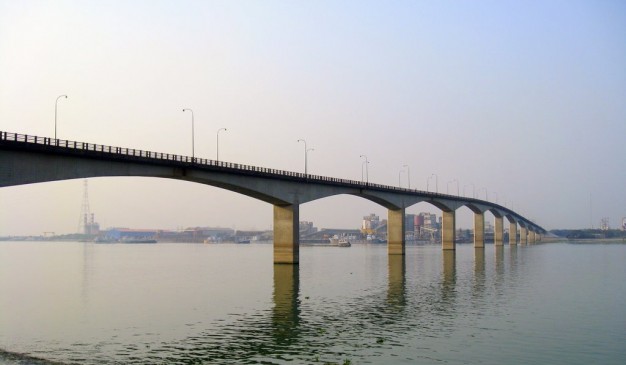
মেঘনা সেতু নামে বহুল পরিচিত এই সেতুটির দাপ্তরিক নাম হল জাপান-বাংলাদেশ মৈত্রী সেতু-১। ক্যাণ্টিলিভার ব্রিজের নকশায় নির্মিত এই সেতুতে যানবাহন এবং পথচারি চলাচলের ব্যবস্থা আছে। জাপানের সহায়তায় নির্মিত সেতুটির মোট দৈর্ঘ্য ৯০০ মিটার (২৯৫২ ফুট ৯ ইঞ্চি) এবং প্রস্থ ৯.২ মিটার (৩০ ফুট ২ ইঞ্চি। ১৯৯১ সালের ১লা ফেব্রুয়ারি সেতুটি যান চলাচলের জন্য উন্মুক্ত করে দেওয়া হয়। সেতুটির জিপিএস অবস্থান হল ২৩°৩৬.১৬২′উ ৯০°৩৬.৯৯১′পু।
২০০৪ সালে জাপান দূতাবাস পরিচালিত একটি সমীক্ষায় দেখা যায় সেতুটি নির্মাণের ফলে সেতুর আশেপাশে বসবাসকারীদের জীবন মান বৃদ্ধি পাওয়ার পাশাপাশি সেতুর আশেপাশের এলাকারও শহরিকরন হয়েছে। জরিপে অংশগ্রহনকারীরা জানিয়েছেন যে খারাপ আবহাওয়ার কারনে সেতুর উপর যান চলাচল বাধাগ্রস্থ হওয়ার ঘটনা পূর্বের চেয়ে লোপ পেয়েছে। জরিপ থেকে এও জানা যায় যে, সেতুতে চলাচলকারী ৪২% ট্রাক ঢাকা ও চট্রগ্রামের মধ্যে পণ্য পরিবহন করে থাকে।
যথাযথ রক্ষনাবেক্ষনের অভাবে এবং অধিক ওজনের যানবাহন চলাচলের জন্য সেতুটির বেশকিছু অংশে এক্সপেনশন জয়েন্ট ক্ষতিগ্রস্থ হওয়ায় ২০০৫ সালে সেতুটিতে বড় ধরনের মেরামত কাজ পরিচালনা করা হয়।
স্থাপত্যঃ ক্যাণ্টিলিভার এবং গার্ডারে নির্মিত এই সেতুতে উভয় দিকে যান চলাচল করতে পারে। সেতুটির ১৩টি স্প্যানের মধ্যে দুটি স্প্যানের দৈর্ঘ্য ২৪.২৫ মিটার (৭৯ ফুট ৭ ইঞ্চি), একটি স্প্যানের দৈর্ঘ্য ৪৮.৩ মিটার (১৫৮ ফুট ৬ ইঞ্চি), নয়টি স্প্যানের দৈর্ঘ্য ৮৭ মিটার (২৮৫ ফুট ৫ ইঞ্চি) এবং বাকি একটি স্প্যানের দৈর্ঘ্য ১৮.২ মিটার (৫৯ ফুট ৯ ইঞ্চি)। মেঘনা সেতুর মূল সড়কপথের দৈর্ঘ্য ৭.২ মিটার (২৩ ফুট ৭ ইঞ্চি)। সেতুটির ফাউণ্ডেশন নদীতলে গেঁথে দেওয়া আরসিসি প্রকোষ্ঠ এবং পাইলের উপর করা হয়েছে। সেতুটির পিলার এবং ভারবাহী স্তম্ভগুলো আরসিসি দিয়ে নির্মিত। ষড়ভুজ আকৃতির সেতুটির একেকটি ভারবাহী বস্তুর দৈর্ঘ্য ১১ মিটার (৩৬ ফুট ১ ইঞ্চি) এবং প্রস্থ ৩.২ মিটার (১০ ফুট ৬ ইঞ্চি)। পিলারের সাথে যুক্ত সেতুটির পার্শ্ব দেয়াল আরসিসি দিয়ে তৈরি। আরসিসি পোস্ট প্রকৃতির মেঘনা সেতুর রেলিং স্টিলের তৈরি । পানি নিষ্কাশনের ব্যবস্থা সহ সেতুটির উভয়দিকে হাঁটার জন্য ০.৮০ মিটার (২ ফুট ৭ ইঞ্চি) প্রস্থ ফুটপাথ রয়েছে।
অর্থনীতির উপর প্রভাবঃ মেঘনা সেতু উদ্বোধনের পর এই সেতুতে এবং ১ নং জাতীয় মহাসড়কে যান চলাচল উল্ল্যেখযোগ্য পরিমানে বৃদ্ধি পায়। তবে ২০০২ সালে সেতুটিতে চলার জন্য টোলের পরিমান বৃদ্ধির পর যান চলাচল কমে আসে। উদাহরন হিসেবে বলা যায় যে ১৯৯৭ সালের এপ্রিলে ২৪ ঘণ্টায় গড়ে প্রায় ১০১৪৯ টি সব ধরনের যানবাহন সেতুটি অতিক্রম করে। অন্যদিকে ২০০৪ সালের মার্চে ৯৭০৪ টি যানবাহন গড়ে প্রতিদিন এই সেতুটি অতিক্রম করে।
Array
(
[0] => Array
(
[name] => Panam Bridge
[post_id] => 11590
[post_link] => http://offroadbangladesh.com/bn/places/panam-bridge/
[thumb_link] => http://offroadbangladesh.com/wp-content/uploads/2015/07/120-300x169.jpg
[post_content] =>
Panam area is formed as a part of the Muslim metropolis, developed on the south of the old city, and perhaps constituted as the place of residence of the early Muslim governors'. After the Mughal conquest of Sonargaon (1611), the Panam area was connected with the ruling metropolis by construction of highways and bridges. Panam still possesses three brick bridges belonging to the Mughal period: Panam Bridge, Dalalpur Bridge and Panamnagar Bridge. The existence of these bridges and the canals enclosing the site on three sides is indicative of its being a suburban area of the medieval city.
Panam Bridge a fine old bridge constructed originally over a canal on a village road from Hajiganj to Baidyer Bazar, now located a little further to the east of Habibpur on a pucca road between Companyganj and Bari Majlis in Sonargaon. It was originally known as Companyganj ka Pul (কোম্পানিগঞ্জের পুল). The Bridge measuring about 53 meter in length and 5 metre in breadth consists of three arches, the middle arch being wider and higher providing easy passage of boats underneath. The steep roadway is formed of bricks circularly arranged. The architectural feature places the bridge to belong to the Mughal period (17th century).
)
[1] => Array
(
[name] => Gurr River and Bridge
[post_id] => 14445
[post_link] => http://offroadbangladesh.com/bn/places/gurr-river-and-bridge/
[thumb_link] => http://offroadbangladesh.com/wp-content/uploads/2015/08/Gurr-River-Singra-300x225.jpg
[post_content] =>
Gurr River, the actual name of this place is Nagar River, but popularly known by the locals as Gurr. It is one of the beautiful rivers of Bangladesh. It is situated at Singra Upazila of Natore district near “Singra Upazila Health Complex”. It is very small but, looks very pleasant. There is a very large sized bill beside this river. The coordinate is 24° 30' 54.43" N 89° 8' 42.75" E. The Bridge was built years ago, the exact year was not found, but it’s really helping the people in establishing business connection on both sides of the river.
)
[2] => Array
(
[name] => Hardinge Bridge
[post_id] => 2871
[post_link] => http://offroadbangladesh.com/bn/places/hardinge-bridge/
[thumb_link] => http://offroadbangladesh.com/wp-content/uploads/2015/02/Hardinge-Bridge-300x146.jpg
[post_content] =>
Hardinge Bridge (Bengali:
হার্ডিঞ্জ ব্রিজ) is a steel railway bridge over the river Padma located at Paksey in western Bangladesh. It is named after Lord Hardinge, who was the Viceroy of India from 1910 to 1916. The bridge is 1.8 kilometers (1.1 mi) long. It is named after Lord Hardinge. From 1910-1916 he was the Viceroy of India. Its construction began in 1910 and ended in 1912, though it was proposed two decades ago. There was train movement on it from 1915. There was proposal of constructing a railway bridge over Padma. Eastern Bengal Railway laid the proposal in 1889.The motive of constructing this bridge was to ease communication between Eastern part of Bengal and Kolkata.
The construction of a railway bridge over the Padma was proposed in 1889 by the Eastern Bengal Railway for easier communication between Calcutta and the then Eastern Bengal and Assam. In 1902, Sir FJE Spring prepared a report on the bridge. A technical committee reported that a bridge could be constructed at Sara crossing the lowerGanges between the Paksey and Bheramara Upazila stations on the broad gauge railway from Khulna to Parbatipur Upazila. The construction of the bridge started in 1910 and finished two years later. The bridge comprises 15 steel trusses. The main girders are modified "Petit" type.
The most difficult task of the operation was to prevent bank erosion and to make the river flow permanently under the bridge. For this, two guide banks of the "Bell-bund" type named after J. R. Bell were built on either side, each extending 910 metres (3,000 ft) upstream and 300 metres (1,000 ft) downstream from the bridge.
[2] The ends of the river banks were curved inward and heavily pitched with stone.
Hardinge Bridge was severely damaged during the Liberation War of Bangladesh of 1971. It happened on 13 December 1971, when the Indian Air Force plane bombed on the 4th guarder from the Paksey side. As the Pakistani army was on retreat towards Jessore (their last stronghold) Hardinge Bridge was strategically very important. The allied force damaged the bridge. The Japanese Government helped to reconstruct the bridge. It is the second largest railway bridge in Bangladesh. Another bridge named Lalon Shah Bridge for road transport beside the Hardinge Bridge has recently been constructed.
)
[3] => Array
(
[name] => Puran Para Railway Bridge
[post_id] => 12173
[post_link] => http://offroadbangladesh.com/bn/places/puran-para-railway-bridge/
[thumb_link] => http://offroadbangladesh.com/wp-content/uploads/2015/08/IMG_0554-300x200.jpg
[post_content] =>
Puran Para Railway bridge is located at puran para (পুরান পাড়া) area of Narsingdi Sadar. It is one of the renowned and popular public places in Narsingdi district for wondering around.
This place belongs a narrow road heading toward the river Arial Kha. This road is unique as it contains rows of green trees on its both side making its beauty far more natural and people of different ages use this road for their morning or evening walk.
Besides, if someone go ahead following this beautiful road then he/she will be ended up in the bank of river Arial kha and a newly constructed iron made railway bridge which is obviously a gorgeous one to visit recurrently.
)
)