Brief
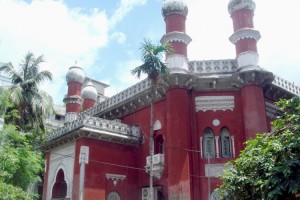
নর্থব্রুক হল একটি ইন্দো-সারাসেন ভবন যেখানে মুঘল এবং ইউরোপিয়ান রেনেসার স্থাপত্যশৈলীর সংমিশ্রণ লক্ষ্য করা যায়। লালকুঠির উত্তরদিকের প্রবেশপথে রয়েছে অর্ধগোলাকার ঘোড়ার পায়ের নালের আকৃতির তোরণ। ভবনটির উত্তর দিকে অবস্থিত চারটি অষ্টকোন বিশিষ্ট মিনার, ছাদে অবস্থিত সজ্জিত তীক্ষ্ণ চূড়া এবং নকশা করা পাচিল থেকে মুসলিম ও মুঘলদের বৈশিষ্ট্য লক্ষ্য করা যায়। ভবনটির দরজা, জানালা এবং দেয়ালের নকশা ইউরোপিয়ান কায়দায় করা হলেও ভবনের গম্বুজের নকশা করা হয়েছে মুসলিম স্থাপত্যের সাথে মিল রেখে।
১৮৭৪ সালে ভারতের গভর্নর থমাস জর্জ ব্যারিং এবং (১৮৭২ সাল থেকে ১৮৭৬ সাল পর্যন্ত) নিযুক্ত ভাইসরয় লর্ড নর্থব্রুক ঢাকায় এসেছিলেন। তাঁদের ঢাকা সফরকে স্মরণীয় রাখতে রাজা রায়বাহাদুর, অন্যান্য জমিদারেরা এবং বিশিষ্ট নাগরিকরা প্রত্যেকে পাঁচ হাজার টাকা থেকে দশ হাজার টাকা পর্যন্ত অনুদান প্রদান করেন টাউন হল নির্মাণের জন্য ১৮৭৯ সালে। অভয় চন্দ্র দাস ছিলেন কমিটির সচিব। ১৮৮০ সালে ঢাকার কমিশনার এই টাউন হলের উদ্বোধন করেন। সেসময় নবাব আব্দুল গনির অর্কেস্ট্রাকে নিয়ে আসা হয়েছিল উদ্বোধন উপলক্ষে আগত কমিশনার এবং আগত অতিথিদের আনন্দ দেওয়ার জন্য।
১৮৮২ সালের ৮ই ফেব্রুয়ারি হলের দক্ষিন-পূর্বদিকে নর্থব্রুক পাবলিক লাইব্রেরি নামে একটি পাঠাগার যুক্ত করা হয়। সুবিশাল সংগ্রহের জন্য পাঠাগারটি অল্প সময়েই সুনাম অর্জন করে। ১৯৭১ সালের মুক্তিযুদ্ধের সময় পাঠাগারের অনেক বই ধ্বংসপ্রাপ্ত হয়। পাঠাগারটি পুনঃপ্রতিষ্ঠার জন্য ত্রিপুরার মহারাজা ১০০০/- টাকা, বালিয়াতির জমিদার ব্রজেন্দ্র কুমার রায় ১০০০/- টাকা, রানী স্বর্ণময়ী ৭০০/- টাকা, কালীকৃষ্ণ ৫০০/- টাকা এবং বিশাশিশ্বরি দেবী ৫০০/- টাকা অনুদান করেন। ১9৮৭ সালে পাঠাগারটি ১০০০ বইসহ আবার চালু করা হয়।
জনসন হল নামে একটি ক্লাব হাউস লালকুঠির দক্ষিন দিকে যুক্ত করা হয়। নর্থব্রুক হলে নোবেল বিজয়ী কবি রবীন্দ্রনাথ ঠাকুরকে সংবর্ধনা দিয়েছিল ঢাকা মিউনিসিপালিটি এবং পিপলস এসোসিয়েশন ১৯২৬ সালের ৭ই ফেব্রুয়ারি। ১৯৫০ সালে নর্থব্রুক হলকে পোস্ট অফিস হিসেবে ব্যবহার করা হয় এবং পরবর্তীতে এটি কেন্দ্রীয় মহিলা কলেজ হিসেবে ব্যবহৃত হয়। বর্তমানে এই ভবনটি ঢাকা মিউনিসিপালিটি কর্পোরেশনের সম্পত্তি।
নির্মাণের পর নর্থব্রুক হল থেকে বুড়িগঙ্গা নদী দেখা যেতো। তবে ১৯৩০ সালের মধ্যে এখান থেকে নদী দেখার পথ রুদ্ধ হয়ে যায়। ধীরে ধীরে এলাকাটি গুরুত্ব এবং আবাসিক ধরন হারিয়ে ফেলে এবং বাণিজ্যিক এলাকায় পরিণত হয়। ১৯৯৮ সালে নর্থব্রুক হলের পাশে সরকারের শিক্ষা বিভাগের কার্যালয় প্রতিষ্ঠা করা হয় যেটির একাংশ বর্তমানে একটি ডেকোরেটোর সেবা প্রদানকারী সংস্থা ব্যবহার করছে। এছাড়া হলের উত্তরদিকের প্রবেশমুখে একটি পঞ্চভুজ ঝর্ণা স্থাপনের ফলে ভবনটি একেবারেই দৃষ্টিগোচর হয়না।
প্রত্নতত্ত্ব অধিদফতরের সংরক্ষণ করা অন্যতম ভবন হল এই নর্থব্রুক হল। বিগত কয়েক বছরে প্রত্নতত্ত্ব অধিদফতর ও ঢাকা মিউনিসিপালিটি যৌথভাবে স্থানীয়দের সাথে নিয়ে ভবনটির সংস্কার করেছে। যেহেতু ভবনটি প্রায় শতবর্ষ ধরে একটানা ব্যবহার হয়ে আসছে তাই এটির মূল কারুকাজ এবং ফ্লোরের নকশা বেশ ভাল অবস্থায় আছে। এছাড়া অন্যান্য ঝুঁকিপূর্ণ ঐতিহ্যের তুলনায় এই ভবনটি বেশ ভাল অবস্থায় আছে এবং এটির রক্ষনাবেক্ষনে পৃথক কোন তহবিলেরও প্রয়োজন হয়নি (যেমনটি পানামনগরের ক্ষেত্রে দেখা গিয়েছে)।
প্রত্নতত্ত্ব অধিদফতরের তত্ত্বাবধানে ভবন ব্যবহারকারীরা নিজেরাই ছোটখাটো মেরামতের দায়িত্ব গ্রহন করেছে। নর্থব্রুক হল সংরক্ষণকে বলা যেতে পারে প্রত্নতত্ত্ব অধিদফতরের অন্যতম সাফল্য।
তবে, ঐতিহ্যবাহী এই ভবনটির জন্য বড় হুমকি হল এটির আশেপাশে গজিয়ে ওঠা বিভিন্ন স্থাপনা যেমন অ্যাসেম্বলি হল এবং কিছু কমিউনিটি সেন্টার। এছাড়া ২০০৯ সালে প্রকাশিত ‘সংরক্ষিত ঐতিহ্যের’ তালিকা নর্থব্রুক হলটি সংরক্ষণে অন্যতম গুরুত্বপূর্ণ ভুমিকা পালন করছে। এই তালিকাটি প্রকাশের পূর্বে ঢাকা মিউনিসিপাল কর্পোরেশন, প্রত্নতত্ত্ব অধিদফতর এবং স্থানীয়দের মধ্যে সমন্বয়হীনতা ছিল। তালিকাটি প্রকাশের মাধ্যমে নর্থব্রুক হলের সংরক্ষণ ত্বরান্বিত হয়েছে।
Array
(
[0] => Array
(
[name] => DC Bungalow, Rangamati
[post_id] => 1138
[post_link] => http://offroadbangladesh.com/bn/places/dc-banglo-rangamati/
[thumb_link] => http://offroadbangladesh.com/wp-content/uploads/2015/02/offroadbangladeshlogo2-300x178.png
[post_content] =>
The District Commissioner’s (DC) Bungalow is located adjacent to the lake. There is a small light house and a shelter accessible to the public. This spot provides a nice view of the lake.
)
[1] => Array
(
[name] => Pal Bari
[post_id] => 8538
[post_link] => http://offroadbangladesh.com/bn/places/pal-bari/
[thumb_link] => http://offroadbangladesh.com/wp-content/uploads/2015/05/PB-2-300x225.jpg
[post_content] =>
Pal Bari (পাল বাড়ি) is one of the renowned historical places in Munshiganj. According to the current inhabitants of the Pal House at Abdullahpur, Kamini Pal and Dwarkanath Pal, the eldest two sons of Tokani Prasad Pal, possibly one of the richest business persons of Bikrampur, established this house around the end of the 19th century.
They added a few more blocks to the house over the years, but lived within the compounds of their father's house, several miles away.
During the liberation war, many of their family members were brutally tortured and killed, prompting the entire clan to leave for Kolkata,India. A few years later Dwarkanath returned, to wind up his businesses here. Dwarkanath Pal, therefore chose to spend his last few years at this house. He decided to stay back in Munshiganj, but could not live in his own house. Many others had occupied most of that property.
)
[2] => Array
(
[name] => Judge Bari and Ukil Bari
[post_id] => 10277
[post_link] => http://offroadbangladesh.com/bn/places/judge-bari-and-ukil-bari/
[thumb_link] => http://offroadbangladesh.com/wp-content/uploads/2015/06/110-300x169.jpg
[post_content] =>
Traveling Nawabganj without paying a visit to Judge Bari and Ukil Bari (জজ বাড়ি এবং উকিল বাড়ি) (formerly known as Brojo Kutir) is nearly incomplete trip. Originally it was built as the residence of a Zamindar over a century ago, the Brojo Niketan was acquired by a judge in 1984, and henceforth became known locally as the judge bari, the residence of the judge.
Next door to the judge bari, on a corner of a sprawling playground made famous by the sheer attendance of Mahatma Gandhi in 1940, is another Zamindar’s house, which has been acquired by a lawyer, and thus taken the new name Ukil Bari.
In a small shrine between these two old palatial houses, one will come across a statue whose head has been knocked down, allegedly by the Pakistan Army during our Liberation War in 1971, supposedly of Gautama Buddha.
A little inside the Ansar controlled areas, one would come across the Brojo Kutir - the older palace of the Zamindar, and yet another palatial house of Kokil Peyari. It has now turned into a local picnic spot.
)
[3] => Array
(
[name] => Eliot Bridge
[post_id] => 3064
[post_link] => http://offroadbangladesh.com/bn/places/eliot-bridge/
[thumb_link] => http://offroadbangladesh.com/wp-content/uploads/2015/02/Eliot-Bridge-by-Rifat-Hasan-Rony2-300x150.jpg
[post_content] =>
Eliot Bridge, a glorious heritage of the district town, still attracts thousands of tourists from home and abroad. Built over the Baral in the middle of the town during the British rule, the bridge has no pillar. Popularly known as 'Boropul,' the bridge connects the eastern part of the town with its western part. The bridge stands as a witness to many important events of the this sub-continent. The western bank of the Baral was under the jurisdiction of the then Jaminder Siraj Ali Chowdhury. He realised the importance of the place and established a river port in 1808. Later, the area was named as Sirajganj after the Jaminder.
In 1869, Sirajganj municipality was established and later a police station was set up. In 1866, it was upgraded to a sub-divisional town and later a district town in 1984. In the 18th century, boats and steamers were found to move through the Baral. In absence of railway, goods laden water vessels plied to Assam and other parts of West Bengal through Sirajganj. Trade and business flourished on both banks of the river. In 1892, Bitsonbell, a Briton became the sub-divisional officer (SDO) of Sirajganj. Later, he became the governor of Bengal and Assam.
One day he was returning home from the western bank. All on a sudden, he heard a groaning sound of a poor man. The man bought food from his day-long earnings. As he had no single paisa, the boatman was not allowing him to get on board his boat. Observing his plight, Bitsonbell helped the man cross the river. After this event, Bell decided to build a bridge a bridge across the Baral. He formed a committee consisting of businessmen of the town. They contributed generously at its fund and the District Board granted Tk 1,500.
Sir Charles Eliot, the then government of Bengal and Assam laid the foundation of the 180 feet long and 16 feet wide bridge named after him on August 6. 1882. Stuart Hartland, a British firm constructed the pillarless bridge at a cost of Tk 45,000. The bridge was repaired during the immediate past BNP-led alliance regime.
SOURCE: Golam Mostafa Jibon, The Daily Star, Sirajganj
)
)