Brief
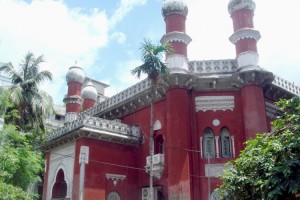
নর্থব্রুক হল একটি ইন্দো-সারাসেন ভবন যেখানে মুঘল এবং ইউরোপিয়ান রেনেসার স্থাপত্যশৈলীর সংমিশ্রণ লক্ষ্য করা যায়। লালকুঠির উত্তরদিকের প্রবেশপথে রয়েছে অর্ধগোলাকার ঘোড়ার পায়ের নালের আকৃতির তোরণ। ভবনটির উত্তর দিকে অবস্থিত চারটি অষ্টকোন বিশিষ্ট মিনার, ছাদে অবস্থিত সজ্জিত তীক্ষ্ণ চূড়া এবং নকশা করা পাচিল থেকে মুসলিম ও মুঘলদের বৈশিষ্ট্য লক্ষ্য করা যায়। ভবনটির দরজা, জানালা এবং দেয়ালের নকশা ইউরোপিয়ান কায়দায় করা হলেও ভবনের গম্বুজের নকশা করা হয়েছে মুসলিম স্থাপত্যের সাথে মিল রেখে।
১৮৭৪ সালে ভারতের গভর্নর থমাস জর্জ ব্যারিং এবং (১৮৭২ সাল থেকে ১৮৭৬ সাল পর্যন্ত) নিযুক্ত ভাইসরয় লর্ড নর্থব্রুক ঢাকায় এসেছিলেন। তাঁদের ঢাকা সফরকে স্মরণীয় রাখতে রাজা রায়বাহাদুর, অন্যান্য জমিদারেরা এবং বিশিষ্ট নাগরিকরা প্রত্যেকে পাঁচ হাজার টাকা থেকে দশ হাজার টাকা পর্যন্ত অনুদান প্রদান করেন টাউন হল নির্মাণের জন্য ১৮৭৯ সালে। অভয় চন্দ্র দাস ছিলেন কমিটির সচিব। ১৮৮০ সালে ঢাকার কমিশনার এই টাউন হলের উদ্বোধন করেন। সেসময় নবাব আব্দুল গনির অর্কেস্ট্রাকে নিয়ে আসা হয়েছিল উদ্বোধন উপলক্ষে আগত কমিশনার এবং আগত অতিথিদের আনন্দ দেওয়ার জন্য।
১৮৮২ সালের ৮ই ফেব্রুয়ারি হলের দক্ষিন-পূর্বদিকে নর্থব্রুক পাবলিক লাইব্রেরি নামে একটি পাঠাগার যুক্ত করা হয়। সুবিশাল সংগ্রহের জন্য পাঠাগারটি অল্প সময়েই সুনাম অর্জন করে। ১৯৭১ সালের মুক্তিযুদ্ধের সময় পাঠাগারের অনেক বই ধ্বংসপ্রাপ্ত হয়। পাঠাগারটি পুনঃপ্রতিষ্ঠার জন্য ত্রিপুরার মহারাজা ১০০০/- টাকা, বালিয়াতির জমিদার ব্রজেন্দ্র কুমার রায় ১০০০/- টাকা, রানী স্বর্ণময়ী ৭০০/- টাকা, কালীকৃষ্ণ ৫০০/- টাকা এবং বিশাশিশ্বরি দেবী ৫০০/- টাকা অনুদান করেন। ১9৮৭ সালে পাঠাগারটি ১০০০ বইসহ আবার চালু করা হয়।
জনসন হল নামে একটি ক্লাব হাউস লালকুঠির দক্ষিন দিকে যুক্ত করা হয়। নর্থব্রুক হলে নোবেল বিজয়ী কবি রবীন্দ্রনাথ ঠাকুরকে সংবর্ধনা দিয়েছিল ঢাকা মিউনিসিপালিটি এবং পিপলস এসোসিয়েশন ১৯২৬ সালের ৭ই ফেব্রুয়ারি। ১৯৫০ সালে নর্থব্রুক হলকে পোস্ট অফিস হিসেবে ব্যবহার করা হয় এবং পরবর্তীতে এটি কেন্দ্রীয় মহিলা কলেজ হিসেবে ব্যবহৃত হয়। বর্তমানে এই ভবনটি ঢাকা মিউনিসিপালিটি কর্পোরেশনের সম্পত্তি।
নির্মাণের পর নর্থব্রুক হল থেকে বুড়িগঙ্গা নদী দেখা যেতো। তবে ১৯৩০ সালের মধ্যে এখান থেকে নদী দেখার পথ রুদ্ধ হয়ে যায়। ধীরে ধীরে এলাকাটি গুরুত্ব এবং আবাসিক ধরন হারিয়ে ফেলে এবং বাণিজ্যিক এলাকায় পরিণত হয়। ১৯৯৮ সালে নর্থব্রুক হলের পাশে সরকারের শিক্ষা বিভাগের কার্যালয় প্রতিষ্ঠা করা হয় যেটির একাংশ বর্তমানে একটি ডেকোরেটোর সেবা প্রদানকারী সংস্থা ব্যবহার করছে। এছাড়া হলের উত্তরদিকের প্রবেশমুখে একটি পঞ্চভুজ ঝর্ণা স্থাপনের ফলে ভবনটি একেবারেই দৃষ্টিগোচর হয়না।
প্রত্নতত্ত্ব অধিদফতরের সংরক্ষণ করা অন্যতম ভবন হল এই নর্থব্রুক হল। বিগত কয়েক বছরে প্রত্নতত্ত্ব অধিদফতর ও ঢাকা মিউনিসিপালিটি যৌথভাবে স্থানীয়দের সাথে নিয়ে ভবনটির সংস্কার করেছে। যেহেতু ভবনটি প্রায় শতবর্ষ ধরে একটানা ব্যবহার হয়ে আসছে তাই এটির মূল কারুকাজ এবং ফ্লোরের নকশা বেশ ভাল অবস্থায় আছে। এছাড়া অন্যান্য ঝুঁকিপূর্ণ ঐতিহ্যের তুলনায় এই ভবনটি বেশ ভাল অবস্থায় আছে এবং এটির রক্ষনাবেক্ষনে পৃথক কোন তহবিলেরও প্রয়োজন হয়নি (যেমনটি পানামনগরের ক্ষেত্রে দেখা গিয়েছে)।
প্রত্নতত্ত্ব অধিদফতরের তত্ত্বাবধানে ভবন ব্যবহারকারীরা নিজেরাই ছোটখাটো মেরামতের দায়িত্ব গ্রহন করেছে। নর্থব্রুক হল সংরক্ষণকে বলা যেতে পারে প্রত্নতত্ত্ব অধিদফতরের অন্যতম সাফল্য।
তবে, ঐতিহ্যবাহী এই ভবনটির জন্য বড় হুমকি হল এটির আশেপাশে গজিয়ে ওঠা বিভিন্ন স্থাপনা যেমন অ্যাসেম্বলি হল এবং কিছু কমিউনিটি সেন্টার। এছাড়া ২০০৯ সালে প্রকাশিত ‘সংরক্ষিত ঐতিহ্যের’ তালিকা নর্থব্রুক হলটি সংরক্ষণে অন্যতম গুরুত্বপূর্ণ ভুমিকা পালন করছে। এই তালিকাটি প্রকাশের পূর্বে ঢাকা মিউনিসিপাল কর্পোরেশন, প্রত্নতত্ত্ব অধিদফতর এবং স্থানীয়দের মধ্যে সমন্বয়হীনতা ছিল। তালিকাটি প্রকাশের মাধ্যমে নর্থব্রুক হলের সংরক্ষণ ত্বরান্বিত হয়েছে।
Array
(
[0] => Array
(
[name] => {:en}Chhatak Cement Factory{:}{:bn}ছাতক সিমেন্ট কারখানা{:}
[post_id] => 4343
[post_link] => http://offroadbangladesh.com/bn/places/chhatok-cement-factory/
[thumb_link] => http://offroadbangladesh.com/wp-content/uploads/2015/03/Chhatok-Cement-factory1-300x225.jpg
[post_content] => {:en}
Chhatak Cement Factory, established in 1941, is one of the oldest industrial units in Bangladesh. Chhatak Cement Factory Ltd. manufactures cement. The company was formerly known as Assam Bengal Cement Company Limited. Chhatak Cement Factory Ltd. was founded in 1937 and is based in Dhaka, Bangladesh. The company operates as a subsidiary of Bangladesh Chemical Industries Corporation.
In order to raise production capacity from 1,35,000 tons to 2,33,000 tons, the 2nd phase of the expansion programme has been completed with financing from Asian Development Bank. The Factory uses limestone imported from Meghalaya, India and from its own quarry-Takerghat Limestone Mining Project.
{:}{:bn}ছাতক সিমেন্ট কারখানা সিলেট বিভাগের সুনামগঞ্জ জেলার ছাতক উপজেলায় অবস্থিত। বাংলাদেশের সবচেয়ে পুরানো শিল্প স্থাপনাগুলোর একটি হল ১৯৪১ সালে স্থাপিত এই সিমেন্ট কারখানাটি।{:}
)
[1] => Array
(
[name] => {:en}Hanging Bridge{:}{:bn}ঝুলন্ত সেতু{:}
[post_id] => 1229
[post_link] => http://offroadbangladesh.com/bn/places/hanging-bridge/
[thumb_link] => http://offroadbangladesh.com/wp-content/uploads/2015/02/Hanging-Bridge-of-Rangamati-9-300x169.jpg
[post_content] => {:en}
Rangamati is a popular place in Bangladesh. It is located seventy seven kilometers away from Chittagong City.
There are some naturally exotic places located in this district which attracts traveler from different directions of country and abroad every year. Among these tourist places Hanging Bridge is more famous and attractive for its uniqueness. Architectural beauty and exotic natural view from this bridge is something very amazing for traveler.
Whenever a traveler wish to pay a visit in this spot he/she may enjoy several adjacent features along with that. Kaptai Lake is dispersed all around the place and several attractions like Shuvolong Waterfall, DC Bungalow and Peda ting ting is reachable through the channel of this Lake.
{:}{:bn}চট্রগ্রাম থেকে ৭৭ কিলোমিটার দূরে অবস্থিত রাঙ্গামাটি হলো দেশের অন্যতম জনপ্রিয় স্থান। কাপ্তাই লেকের উপর অবস্থিত ঝুলন্ত সেতু র জন্য রাঙ্গামাটির রয়েছে বিশেষ খ্যাতি। বাংলাদেশের অন্যতম আকর্ষণ এই ঝুলন্ত সেতুটি দেখতে প্রতিবছর প্রচুর পর্যটক রাঙ্গামাটিতে আসেন।{:}
)
[2] => Array
(
[name] => {:en}Port of Mongla{:}{:bn}মংলা বন্দর{:}
[post_id] => 1570
[post_link] => http://offroadbangladesh.com/bn/places/port-of-mongla/
[thumb_link] => http://offroadbangladesh.com/wp-content/uploads/2015/02/mongla-port-11-300x200.jpg
[post_content] => {:en}
Port of Mongla is the second and most Eco friendly port in our country. The Mongla Sea Port is protected by the Sundarbans (the largest mangrove forest- declared as 'World Heritage' in 1997 by the UNESCO). It was formerly located at Chalna, about 11 miles (18 km) upstream on the Pashur River, but it is now located 48 km south of Khulna city, as established on 11 December 1954. The Port is surrounded as well as well protected by the Sundarban mangrove forest. The name Mongla originated from Mongla River presently known as Mongla Nulla. Mongla River originated from Pashur and Rampal is situated beside Pashur.
The anchorage was shifted to Mongla in 1954 as the place could accommodate sea-going vessels with greater draughts. During the Pakistan period, the administration of the port was under a port director, whose main office was at Khulna. Port of Mongla is situated at the confluence of the Pashur River and the Mongla River. It lies about 62 miles (100 km) north of the Bay of Bengal and is connected to the major inland river ports and to the rail terminal at Khulna. It is very near to Sundarbans.
Kolkata (formerly Calcutta) and Haldia in India and Mongla and Chittagong in Bangladesh are the principal seaports on the world's largest Ganges delta. The port has trade links with almost all major ports of the world, although vessels arriving here are mostly from ports of Asia, the Middle East, Australia, Europe and North America and the ships rarely come to Mongla from the countries of Latin America or Africa.
{:}{:bn}বাংলাদেশের দক্ষিন-পশ্চিম অংশে বাগেরহাট জেলার মংলা উপজেলায় বঙ্গোপসাগরের কাছে পশুর নদী এবং মংলা নালার মোহনায় মংলা বন্দরটি অবস্থিত। বাংলাদেশের দ্বিতীয় এবং সবচেয়ে পরিবেশবান্ধব বন্দর এটি। এই বন্দর দিয়ে মুলত মাছ রপ্তানি করা হয়। মংলা সমুদ্র বন্দরকে সুরক্ষিত করে রেখেছে সুন্দরবন (পৃথিবীর সবচেয়ে বড় ম্যানগ্রুভ বন যেটিকে ১৯৯৭ সালে ইউনেস্কো ‘বিশ্ব ঐতিহ্য’ হিসেবে ঘোষণা করে।{:}
)
[3] => Array
(
[name] => Tengor Shahi Jame Mosque
[post_id] => 8140
[post_link] => http://offroadbangladesh.com/bn/places/tengor-shahi-jame-mosque/
[thumb_link] => http://offroadbangladesh.com/wp-content/uploads/2015/04/P_20150520_173352-169x300.jpg
[post_content] =>
Tengor Shahi Jame Mosque is a single-domed square shaped mosque and built entirely of brick.Through the analysis of An Arabic inscription, originally fixed over the central archway of eastern wall, can now be found fixed to an enclosure wall of a nearby newly built mosque, locally known as Pashchimpada masjid (mosque). According to the inscription, the Rikabi Bazar Mosque was built by one Malik Abdullah Miah, son of Amin Khan Fakir Miah, in 1569 AD during the reign of Sultan sulaiman karrani.
The walls of this mosque are about 2.13m thick.There were four corner-towers in the four exterior angles of the building, but these were removed at the time of renovation work. The mosque has five arched-doorways, three in the east and one each on the north and south sides. The north and south doors are now used as windows. All the arches are of the two-centered pointed variety. The central archway in the east is bigger than the flanking ones. Corresponding to the three eastern archways there are three renovated semi-circular mihrabs inside the qibla wall that are set within rectangular frames. Like the central doorway, the central mihrab is bigger than its flanking counterparts. The north and south walls have two alcoves on either side of the archway. The square prayer hall of the mosque is covered with a large brick shouldered dome, which rests on the four blocked arches over the central mihrab and the three axial doorways springing from the brick pilasters, two inside each wall, in combination with Bengali pendentives and half-domed squinches on the upper angles.
Architectural Features: Architectural features of this mosque include massive walls, a large dome, two-centered pointed archways and a dome supported by blocked arches springing from brick pilanters in combination with pendentive and half-domed squinches. These are very feature similar to the Goaldi Mosque in sonargaon and baba saleh’s mosque in Bandar, both in narayanganj district
An octagonal drum can be seen externally in the lower part of the dome. The parapets and the inner side of the dome is decorated with rows of blind merlons, and each rectangular frame of the three mihrabs is crowned by a frieze of blind merlons. These are not original ornamentations. The outer walls of the mosque were once ornamented with terracotta plaques, but now these are all missing. The mosque is at present covered with cement plaster.
)
)