Array
(
[0] => Array
(
[name] => Tushbhandar Zamindar Bari or Landlord House
[post_id] => 4790
[post_link] => http://offroadbangladesh.com/places/tushbhandar-zamindar-bari-or-landlord-house/
[thumb_link] => http://offroadbangladesh.com/wp-content/uploads/2015/03/Tushabhandar-jamindar-bari1-300x212.jpg
[post_content] =>
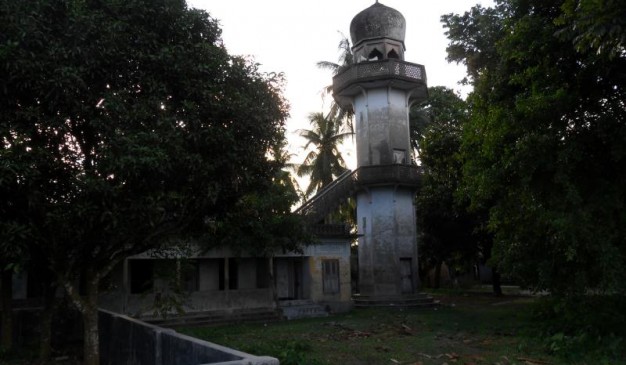
During the period of Maharaja Pran Narayan "Rsik Ray bigroho" happened in 1634 and in that time the origin of tushvandar Murari dev Ghosal Vottacharjo from 24 porgona/Kolkata's Jay nagar came in Koach bihar and in upuonchouki matter get a taluk anstarted to live here. During that time to do religious work land was given by upenchouki matter. Murari dev disagree to take the donation of the shudro king's beacuse he is a brammon. He appealed to take rent for the land. After that the queen agreed to take paddy bran as rent. Dew to give rent as paddy bran it was stored near landlord house in the east side and after it was sent to the Koachbihar kings house. With this bran many religious events happened in the king’s house. People says that, for the stored bran this place was named as tushvandar. By brammahan murari dev vottacharja the landlord of tushvandar was declared. And in 1935 with his death as long 400 years land owner was came into an end.
)
[1] => Array
(
[name] => {:en}Mohera Zamindar Bari{:}{:bn}মহেরা জমিদার বাড়ী{:}
[post_id] => 5309
[post_link] => http://offroadbangladesh.com/places/mohera-zamindar-bari/
[thumb_link] => http://offroadbangladesh.com/wp-content/uploads/2015/03/Ananda-Lodge-Mohera-Jomidar-Bari-13-300x225.jpg
[post_content] => {:en}
It is not sure but people believed that they have started their Zamindari somewhere around 1890. First Zamindar (জমিদার) was Kalichoron Shaha (কালিচরণ সাহা). Beside their Land Lordship, they have conducted trading related to Jute and Salt. They were the owner of huge land properties from different part of Bangladesh. During country division and war, most of them moved into India. Only very few are living at Tangail. Their attractive edifices are now become a tourist spot. Since they were rich, people says they have built those building before establishing their Zamindari (জমিদারী). Mohera Zamindar Bari has several main buildings. Each of those are presented below with short description.
Chowdhury Lodge (চৌধুরী লজ): After entering the Zamindar mansion premise through the main gate, Choudhury Lodge is the first building that you'll find. It’s a pink colored building having Roman/Greek styled pillars at the front side. The rich ornate building is having corrugated at the roof from inside.
Its a two stored building having a garden in front of it. This building is beautiful from the back side too. There is a playground for the kids available there.
Ananda Lodge (আনন্দ লজ): In my opinion, Ananda lodge is the most stylish building from the entire premise. This building has a touch of white and blue. It has eight columns in front of the building.
Most attractive part of the building is the small hanging balcony at second floor. It seems like someone like Juliet used to pass her afternoon there. This building has a lovely garden at front side.
Moharaj Lodge (মহারাজ লজ): This is a pink colored building having byzantine design. Similar to other buildings it has 6 columns at the front side. The stair in front of the building has a curved railing which just increased its beauty.
Similar to other buildings it is a two storied building having a garden at front. Behind the garden has a tennis court. The Moharaj Lodge and the Ananda Lodge are adjoining.
Kalichoron Lodge (কালিচরণ লজ): This building is built during the last portion of the Jomidari Era. Thats why this one is looking different than other three. It is having more rooms compare to any others from the premise.
Architecture of the building is somewhat similar to the colonial era buildings. The shape of the building is like the letter 'U' in English alphabet. During the noon-afternoon, you'll find a play of light and shadow for that shape from the inside of the building.
Other Edifices (অন্যান্য ভবন): Beside the attractive arhitectured buildings, the Zomidar premise has other buildings named as Kachari Bhobon(কাচারী ভবন), Nayeb Bhobon(নায়েব ভবন), Rani Bhobon(রানী মহল), etc. Also you'll find several large ponds around the premise. Those are named as Bishaka Shagor, Poshra Shagor, etc.
1. Kachari Bhobon(কাচারী ভবন)
2. Nayeb Bhobon(নায়েব ভবন)
{:}{:bn}
নিশ্চিত হওয়া না গেলেও স্থানীয়রা বিশ্বাস করেন যে এই অঞ্চলে জমিদারী প্রথার আরম্ভ হয়েছিল ১৮৯০ সালের দিকে। কালীচরণ সাহা ছিলেন এখানকার প্রথম জমিদার। এখানকার জমিদাররা বাংলাদেশের বিভিন্ন প্রান্তে বিপুল পরিমান ভুসম্পত্তির মালিক ছিল এবং জমিদারী করার পাশাপাশি তাঁরা এখানে পাট ও লবনের ব্যাবসাও করত। দেশ বিভাগ এবং স্বাধীনতা যুদ্ধের সময় বেশীরভাগ জমিদার ভারতে চলে যান তবে টাঙ্গাইলে কিছু জমিদার এখনও বাস করছে। তাঁদের আকর্ষণীয় প্রাসাদগুলো বর্তমানে পর্যটন স্পটে পরিনত হয়েছে। যেহেতো জমিদারেরা ধনী ছিলেন তাই স্থানীয়রা মনে করেন এসব জমিদারবাড়ি জমিদারী প্রথা চালু হওয়ার পূর্বেই নির্মাণ করা হয়েছিল।
মহেরা জমিদার বাড়িতে কয়েকটি ভবন রয়েছে। নিম্নে এসব ভবনের বর্ণনা প্রদান করা হলঃ
চৌধুরী লজঃ মূল ফটক দিয়ে জমিদারবাড়ির সীমানায় প্রবেশ করলে সর্বপ্রথম চৌধুরী লজ আপনার চোখে পরবে। গোলাপি রঙের এই ভবনের সামনের দিকে রোমানশৈলীতে নির্মিত পিলার রয়েছে। চমৎকার নকশাখচিত এই ভবনের ভেতরের ছাদটি ঢেউ খেলানো। দোতলা এই ভবনের সামনে বাগান রয়েছে এবং শিশুদের খেলার মাঠ রয়েছে। এছাড়া ভবনের পেছনদিকটাও বেশ দৃষ্টিনন্দন।
আনন্দ লজঃ আনন্দ লজকে বলা যেতে পারে এই জমিদার বাড়ির সবচেয়ে আকর্ষণীয় ভবন। সাদা ও নীল রঙের ছোঁয়াসমৃদ্ধ ভবনটির সামনে আটটি কলাম রয়েছে। এই ভবনের সবচেয়ে আকর্ষণীয় দিক হল তিন তলার ঝুলন্ত বারান্দা। এছাড়া আনন্দ লজের সামনে একটি চমৎকার বাগান রয়েছে।
মহারাজ লজঃ বাইজেনটাইন শৈলীতে নির্মিত এই গোলাপি ভবনের সামনে ৬ টি কলাম রয়েছে। মহারাজ লজের সামনের সিঁড়ির বাঁকানো রেলিংটি ভবনের সৌন্দর্য বহুগুনে বৃদ্ধি করেছে। অন্যান্য ভবনের মত মহারাজ লজের সামনেও একটি বাগান আছে। ভবনের পেছনে একটি টেনিস কোর্ট আছে।
কালীচরণ লজঃ জমিদারীর শেষ পর্যায়ে নির্মিত হওয়ায় এই ভবনটি দেখতে অন্যান্য তিনটি ভবন থেকে আলাদা। অন্যান্য ভবনগুলোর চেয়ে কালীচরণ লজে কক্ষের সংখ্যাও বেশি। ইংরেজি ‘ইউ’ অক্ষরের আকারের এই ভবনটির স্থাপত্যশৈলী ইংরেজ আমলের অন্যান্য ভবনের মতই। কালীচরণ লজের এই আকারের জন্য বিকালবেলা ভবনের ভেতর থেকে চমৎকার আলো আধারির খেলা দেখা যায়।
অন্যান্য ভবনসমূহঃ উপরোক্ত আকর্ষণীয় স্থাপত্যশৈলীর ভবনগুলো ছাড়াও জমিদারবাড়ির সীমানায় রয়েছে বেশকিছু ভবন যেমনঃ কাচারি ভবন, নায়েব ভবন রানী মহল ইত্যাদি। এছাড়া এখানে বেশকিছু পুকুর আছে যেমনঃ বিশাকা সাগর, পশরা সাগর ইত্যাদি।
{:}
)
[2] => Array
(
[name] => {:en}Dharampasha Zamindar Bari{:}{:bn}ধর্মপাশা জমিদারবাড়ি{:}
[post_id] => 6396
[post_link] => http://offroadbangladesh.com/places/dharampasha-zamindar-bari/
[thumb_link] => http://offroadbangladesh.com/wp-content/uploads/2015/04/Dhormopasha-Jomidarbari-1-300x169.jpg
[post_content] => {:en}
Dharampasha Land lord’s home/Zamindar Bari is just in the bank of the Tanguar Haor. It is an ideal place to visit once someone comes to see the beauty of Tanguar hoar. It’s a very ancient home. Currently it is very decrepit & worn out.
{:}{:bn}ধর্মপাশা জমিদারবাড়ি সুনামগঞ্জ জেলার ধর্মপাশা উপজেলায় অবস্থিত। এই জমিদারবাড়িটি টাঙ্গুয়ার হাওড়ের তীরে অবস্থিত তাই টাঙ্গুয়ার হাওড়ে বেড়াতে আসলে প্রাচীন এই জমিদার বাড়িটি দেখতে আসতে পারেন। বর্তমানে এই জমিদারবাড়িটি রক্ষণাবেক্ষণের অভাবে হুমকির মুখে রয়েছে।{:}
)
[3] => Array
(
[name] => Muktagacha Zamindar House
[post_id] => 22170
[post_link] => http://offroadbangladesh.com/places/muktagacha-zamindar-house/
[thumb_link] => http://offroadbangladesh.com/wp-content/uploads/2015/10/Muktagacha-Zamindar-House-14-300x169.jpg
[post_content] =>
Mymensingh city is one of the old cities in Bangladesh. Historically & archaeologically it is very important from tourism point of views. Once a traveler wants to travel in this district, he/she will find several places to visit. Muktagacha Zamindar House (মুক্তাগাছা জমিদার বাড়ী) is one of those.
This old palace is located at the heart of the Muktagacha(মুক্তাগাছা) Upazila, 16km west to the Sadar Upazila. Previously the name of Muktagacha was Binodbari (বিনোদবাড়ী). It is believed that the Zamindars actually came from the Natore (নাটোর) or Bogra (বগুড়া) of our North Bengal. When the first ruler named Srikrishna Acharya (শ্রীকৃষ্ণ আচার্য) arrived here, a local inhabitant named Muktaram Kormokar (মুক্তারাম কর্মকার) welcomed them with a large lamp stand that was made from brass. In that portion of our country, people call a lamp stand as Gachha (গাছা)). This gratitude pleased the Zamindar and they have renamed the area as Muktagacha (মুক্তা গাছা) using that inhabitant's name and the lamp stand's local name.
Srikrishna Acharya (শ্রীকৃষ্ণ আচার্য) established the Zamindari at Muktagacha formerly known as Binodbari. Later, his four sons Ram Ram, Hore Ram (হরে রাম), Bishnu (বিষ্ণু), Shibram (শিবরাম)and their inheritor conducted the Zamindari. The Owner of the Muktagacha Rajabari was Jogot Kishor Acarya (জগত কিশোর আচার্য), the son of Hore Ram Acharya (হরে রাম আচার্য). His ancestors started to build that Palace in the year 1750-60 which signifies that the structure is almost 300 yrs old.
However, this old house from Muktagacha covers a vast area, though most of the structures are in very poor condition. Few things were stolen by the locals, and others are just dilapidated for not taking any care. We observed two storied iron & steel made house (though floors are all gone, only structure is standing there).
Most of the rulers from this family were cruel and hostile to the peasants. They have lot of allegations against them including raping, torturing, etc. It was considered as a crime whenever a peasant from that area use to cross the Zamindar House using any shoe or umbrella. Guards use to beat them whenever someone committed such crime.
)
)